Anemia Eyes: What They Look Like and Why
Have you ever looked in the mirror and felt like the person staring back at you looks tired, no matter how much sleep you got? Maybe you noticed that your eyes seem to lack their usual sparkle, or that the skin around them looks pale and drained. These subtle changes can be easy to dismiss, but sometimes, your eyes are trying to tell you something important about what’s happening inside your body.
This phenomenon is often referred to as “anemia eyes.” It’s a visible sign that your body may be low on healthy red blood cells, a condition known as anemia. In this guide, we’ll explore what anemia eyes look like, explain why anemia affects your eyes, and share what you can do to support your health and bring the brightness back.
Table of Contents
What Is Anemia?
Before we can understand anemia eyes, we need to know what anemia is. In simple terms, anemia is a condition in which your blood doesn’t have enough healthy red blood cells or hemoglobin. Hemoglobin is a protein in your red blood cells that is responsible for carrying oxygen from your lungs to the rest of your body.
When your hemoglobin or red blood cell count is low, your body’s tissues and organs don’t get enough oxygen to function properly. This lack of oxygen is what causes most of the symptoms of anemia, from fatigue to pale skin.
There are many different types of anemia, but some of the most common causes include:
- Iron deficiency: The most common cause worldwide. Your body needs iron to make hemoglobin.
- Vitamin deficiency: A lack of vitamin B12 or folate (vitamin B9) can affect your body’s ability to produce healthy red blood cells.
- Chronic diseases: Conditions like kidney disease, cancer, or autoimmune disorders can interfere with red blood cell production.
- Blood loss: This can be due to heavy menstrual periods, injury, or internal bleeding.
What Are “Anemia Eyes”?
“Anemia eyes” is not a formal medical term, but it’s a descriptive way to talk about the changes in and around the eyes that can signal low hemoglobin. When your blood lacks oxygen, it becomes a lighter shade of red. This change is most visible in areas with many small blood vessels close to the surface, like the delicate tissues of your eyes.
Reduced hemoglobin means less oxygen is reaching these tissues, which can lead to a pale, tired, or even yellowish appearance. Here’s what to look for:
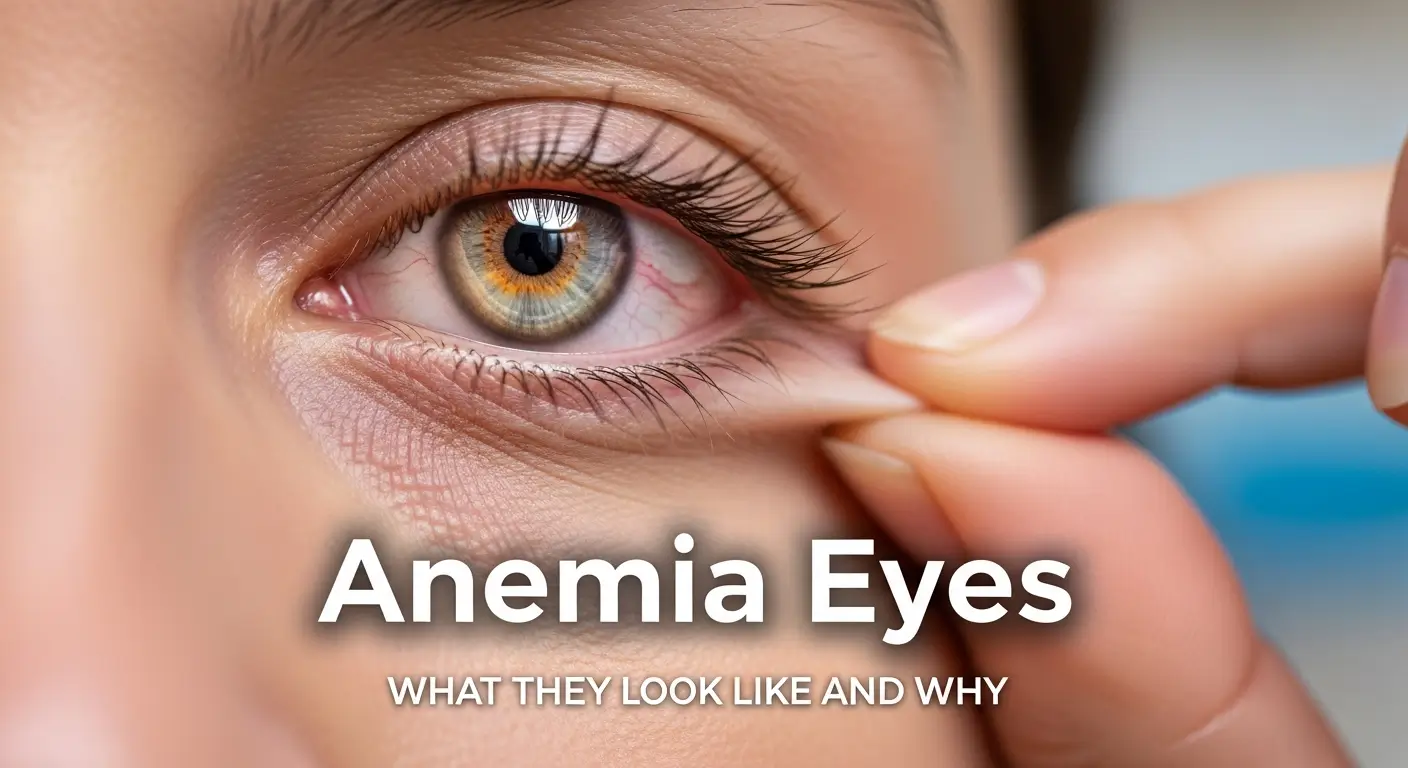
- Pale Inner Eyelids: The most classic sign of anemia eyes is the paleness of the inner lining of your lower eyelids (the conjunctiva).
- Dull or Faded Appearance: Your eyes might lose their usual brightness and look dull or lackluster.
- Yellowish Tinge to the Whites of the Eyes (Sclera): In certain types of anemia, the whites of the eyes can take on a subtle yellow hue.
- Tired or Sunken Look: Chronic fatigue from anemia can lead to dark circles and a sunken appearance around the eyes.
- Puffy or Swollen Eyelids: In some cases, fluid retention related to anemia can cause puffiness.
Common Signs to Watch For
Let’s break down the most common visual clues of anemia eyes in more detail.
Pale Inner Eyelids
This is one of the most reliable indicators a doctor might look for during a physical exam. The inner lining of your eyelids, called the conjunctiva, is rich in blood vessels. In a healthy person, this area is typically a vibrant reddish-pink color. In someone with anemia, it can look very light pink, pale yellow, or almost white.
How to check: Stand in a well-lit room in front of a mirror. Gently pull down your lower eyelid with your finger. Look at the color of the inner lining. If it appears strikingly pale instead of pink or red, it could be a sign of low hemoglobin.
Tired or Puffy Eyes
The constant fatigue that comes with anemia is profound. It’s not just feeling sleepy; it’s a deep, bone-weary exhaustion that sleep doesn’t fix. This fatigue is often reflected in your eyes. They may look tired and heavy, and you might notice more prominent dark circles or puffiness under your eyes. This happens because the lack of oxygen can affect circulation and fluid balance in the delicate skin around the eye area.
Yellow-Tinged Eyes
While paleness is linked to most types of anemia, a yellowish tinge in the whites of your eyes (the sclera) is associated with a specific type called hemolytic anemia. In this condition, red blood cells are destroyed faster than they can be made. When these cells break down, they release a yellow substance called bilirubin. If your liver can’t clear the bilirubin fast enough, it can build up in your body and cause your skin and the whites of your eyes to turn yellow, a condition known as jaundice.
Other Symptoms That Often Appear With Anemia Eyes
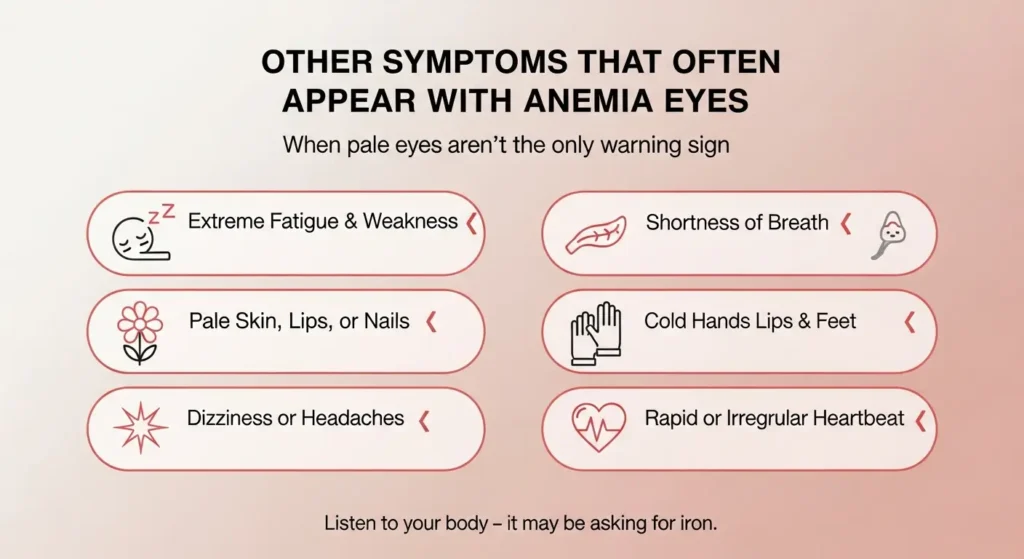
Changes in your eyes are rarely the only symptom of anemia. They are usually part of a larger pattern of signs that your body is not getting enough oxygen. If you notice anemia eyes, you may also be experiencing:
- Extreme Fatigue and Weakness: This is the most common symptom of anemia. It’s a persistent lack of energy that interferes with daily life.
- Shortness of Breath: You might find yourself getting breathless from simple activities like walking up the stairs.
- Pale Skin, Lips, or Nails: Just like your inner eyelids, your skin may lose its healthy pinkish tone and appear pale or sallow.
- Cold Hands and Feet: Poor circulation due to anemia can leave your extremities feeling constantly cold.
- Dizziness, Lightheadedness, or Headaches: A lack of oxygen to the brain can cause these neurological symptoms.
- Rapid or Irregular Heartbeat: Your heart may have to work harder to pump oxygen-rich blood through your body, leading to palpitations.
Why It Happens: The Science Made Simple
The reason your eyes can reveal so much about your blood health is all about color and oxygen. Think of hemoglobin as the delivery truck that picks up oxygen in your lungs and gives your blood its bright red color. When you have anemia, you have fewer “delivery trucks.”
This has two main effects:
- Less Oxygen Delivery: Tissues throughout your body, including your eyes, don’t get the oxygen they need to function at their best.
- Paler Blood: With less hemoglobin, your blood itself is a lighter, paler red.
The conjunctiva of your lower eyelid is a perfect window into this process. It’s a very thin membrane with a dense network of tiny blood vessels right at the surface. When your blood is a healthy, oxygen-rich red, the conjunctiva looks pink and vibrant. When your blood is paler due to anemia, the conjunctiva looks pale, too.
When to See a Doctor
While it can be helpful to check for anemia eyes at home, it is not a substitute for a proper medical diagnosis. If you notice persistent paleness in your eyelids or any other symptoms of anemia, it’s important to see a doctor.
Your doctor can confirm a diagnosis with a simple blood test called a complete blood count (CBC). This test measures your hemoglobin and red blood cell levels, giving a clear picture of your blood health.
You should seek medical advice promptly, especially if you experience red-flag symptoms like:
- Extreme fatigue that makes it difficult to get through your day.
- Chest pain or a rapid heartbeat.
- Severe dizziness or fainting spells.
How to Support Eye and Blood Health
If you are diagnosed with anemia, your doctor will recommend a treatment plan based on the cause. For common deficiencies, this often involves dietary changes and supplements. Here are some ways to support your blood health naturally.
Eat Iron-Rich Foods
If you have iron-deficiency anemia, boosting your iron intake is key. There are two types of iron: heme iron (from animal sources, easily absorbed) and non-heme iron (from plant sources).
- Heme Iron: Red meat, poultry, and fish.
- Non-Heme Iron: Spinach, lentils, beans, tofu, and fortified cereals.
Increase Your Vitamin C Intake
Vitamin C dramatically improves your body’s ability to absorb non-heme iron from plant-based foods. Try pairing iron-rich foods with foods high in vitamin C. For example, have a spinach salad with bell peppers and a lemon vinaigrette.
Balance with B Vitamins and Folate
If your anemia is caused by a vitamin deficiency, focus on foods rich in B12 and folate.
- Vitamin B12: Found almost exclusively in animal products like fish, meat, eggs, and dairy.
- Folate: Abundant in leafy green vegetables, beans, lentils, and avocados.
Stay Hydrated and Get Enough Rest
Supporting your overall health helps your body recover. Drinking enough water supports healthy blood flow, and getting adequate rest gives your body the energy it needs to produce new red blood cells.
Nutrient Guide for Healthy Blood
| Nutrient | Key Foods | Why It Helps |
|---|---|---|
| Iron | Spinach, red meat, lentils, tofu | A crucial building block for hemoglobin and red blood cells. |
| Vitamin C | Oranges, bell peppers, strawberries, broccoli | Significantly boosts the absorption of iron from plant-based foods. |
| Vitamin B12 | Fish, eggs, dairy, fortified nutritional yeast | Essential for healthy red blood cell formation and nerve function. |
| Folate (B9) | Leafy greens, lentils, beans, asparagus | Necessary for creating new cells, including red blood cells. |
Conclusion
Your eyes truly are a window to your health. The subtle signs of anemia eyes—the paleness, the dullness, the fatigue—are your body’s way of asking for attention. Paying attention to these clues is a powerful act of self-care.
If you recognize these signs in the mirror, don’t panic. Instead, see it as an opportunity to check in with your doctor and take proactive steps toward restoring your vitality. With proper diagnosis and treatment, you can rebuild your blood health, bring the sparkle back to your eyes, and feel energized and vibrant once again.
FAQ: Your Questions About Anemia Eyes
How do I know if my pale eyes mean anemia?
While very pale inner eyelids are a strong indicator, it is not a definitive diagnosis. The only way to know for sure if you have anemia is to get a blood test from your doctor. Think of pale eyes as a clue that should prompt you to seek medical advice.
Can anemia cause blurry vision?
In some severe cases, yes. Anemia can affect the delicate nerves and blood vessels in the retina at the back of your eye. A lack of oxygen can sometimes lead to blurry vision or even small hemorrhages on the retina.
Will “anemia eyes” go away with treatment?
Yes. Once your anemia is treated and your hemoglobin levels return to a healthy range, the paleness in your conjunctiva should resolve. Your eyes will regain their normal, healthy pinkish-red color, and you will likely notice a reduction in dark circles and puffiness as your energy levels improve.
Can iron supplements fix anemia eyes?
If your anemia is caused by iron deficiency, then yes, iron supplements prescribed by your doctor are a key part of the treatment. As your iron and hemoglobin levels rise, the signs of anemia eyes will fade. Never start taking iron supplements without a doctor’s guidance, as too much iron can be toxic.
How long does it take for my eyes to return to normal after treatment?
It can take several weeks to a few months of consistent treatment for your hemoglobin levels to return to normal. You will likely start to see the color return to your inner eyelids within a few weeks of starting effective treatment.
Disclaimer
The information on HealthHintz is provided for educational and informational purposes only and should not be considered medical advice. Always consult a qualified healthcare professional before making any medical or health-related decisions, starting a new treatment, or changing your existing health plan.