Colon Cancer Symptoms in Women You Should Know
Colon cancer is one of the most common cancers worldwide, and many people don’t notice the warning signs until the disease has already progressed.
Although colon cancer affects both men and women, the early symptoms can sometimes be subtle and easy to ignore. Many women may mistake the early signs for common digestive problems, stress, or hormonal changes.
Understanding the colon cancer symptoms in women can help you recognize warning signs earlier. When detected early, colon cancer is often highly treatable, and the chances of successful treatment are much higher.
In this article, we’ll explain the early signs, risk factors, screening options, and when women should see a doctor.
Table of Contents
What Is Colon Cancer?
Colon cancer is a type of cancer that begins in the large intestine, also known as the colon. The colon is the final part of the digestive system and plays an important role in processing waste from the body.
Most colon cancers start as small growths called polyps that develop on the inner lining of the colon. These polyps are usually non-cancerous at first, but over time, some of them can turn into cancer.
This process can take several years, which is why regular screening tests are important. Detecting and removing polyps early can prevent them from developing into cancer.
The good news is that early detection greatly improves survival rates. When colon cancer is found early, treatment is usually more effective and less invasive.
Why Colon Cancer Symptoms in Women May Be Overlooked
Many women may not recognize the early signs of colon cancer right away. There are several reasons why symptoms can be overlooked.
1. Symptoms Can Look Like Digestive Problems
Many colon cancer symptoms, such as bloating or stomach discomfort, are similar to common digestive issues like gas, constipation, or indigestion.
Because these problems are common, people often assume they are harmless.
2. Symptoms May Be Linked to Hormonal Changes
Women may attribute certain symptoms to hormonal fluctuations, especially during menstruation, pregnancy, or menopause.
For example, fatigue, bloating, or digestive changes may be blamed on hormones instead of a possible medical issue.
3. Early Symptoms Are Often Mild
In the early stages, colon cancer may cause mild or occasional symptoms. Because these symptoms come and go, they may not seem serious at first.
However, symptoms that last for several weeks should always be checked by a doctor.
Common Colon Cancer Symptoms in Women
Recognizing the common colon cancer symptoms in women can help detect the disease earlier. If you experience any of the following symptoms consistently, it is important to seek medical advice.
Persistent Abdominal Pain or Cramping
Frequent stomach pain, cramping, or discomfort that does not go away may be a warning sign. The pain may feel similar to digestive cramps but may become more persistent over time.
Changes in Bowel Habits
One of the most noticeable symptoms is a change in bowel habits. This may include:
- Persistent diarrhea
- Ongoing constipation
- Alternating between diarrhea and constipation
If these changes last longer than a few weeks, they should be evaluated by a healthcare professional.
Blood in the Stool
Blood in the stool is a symptom that should never be ignored. It may appear as:
- Bright red blood
- Dark or black stools
- Blood mixed with stool
Sometimes the blood may not be visible but can still be detected in stool tests.
Unexplained Weight Loss
Losing weight without trying can sometimes be a sign of colon cancer. This happens because the body uses more energy to fight the disease.
Constant Fatigue or Weakness
Many women with colon cancer report feeling tired all the time, even after getting enough rest. This may happen because slow bleeding in the colon can cause iron deficiency anemia, which leads to fatigue.
Feeling That the Bowel Does Not Empty Completely
Some people feel like they still need to use the bathroom even after having a bowel movement. This feeling of incomplete emptying may occur if a tumor is blocking part of the colon.
Narrow or Thin Stools
Stools that appear unusually thin or narrow can sometimes be a sign that something is blocking the colon.
Early Warning Signs That Should Not Be Ignored
Some early symptoms of colon cancer are easy to overlook because they seem mild or unrelated.
Women should pay attention to these subtle warning signs.
Frequent Bloating
Ongoing bloating that does not improve with diet changes may be a sign that something is affecting the digestive system.
Ongoing Digestive Discomfort
Persistent indigestion, stomach upset, or digestive discomfort that lasts for weeks should not be ignored.
Loss of Appetite
A sudden decrease in appetite without an obvious reason may sometimes occur in the early stages of cancer.
Mild Anemia or Low Iron Levels
Women who develop unexplained low iron levels may need further evaluation. Colon cancer can cause slow internal bleeding, which can lead to anemia.
Unusual Tiredness
Feeling unusually tired or weak for long periods may also be an early symptom, especially when combined with other digestive symptoms.
Risk Factors for Colon Cancer in Women
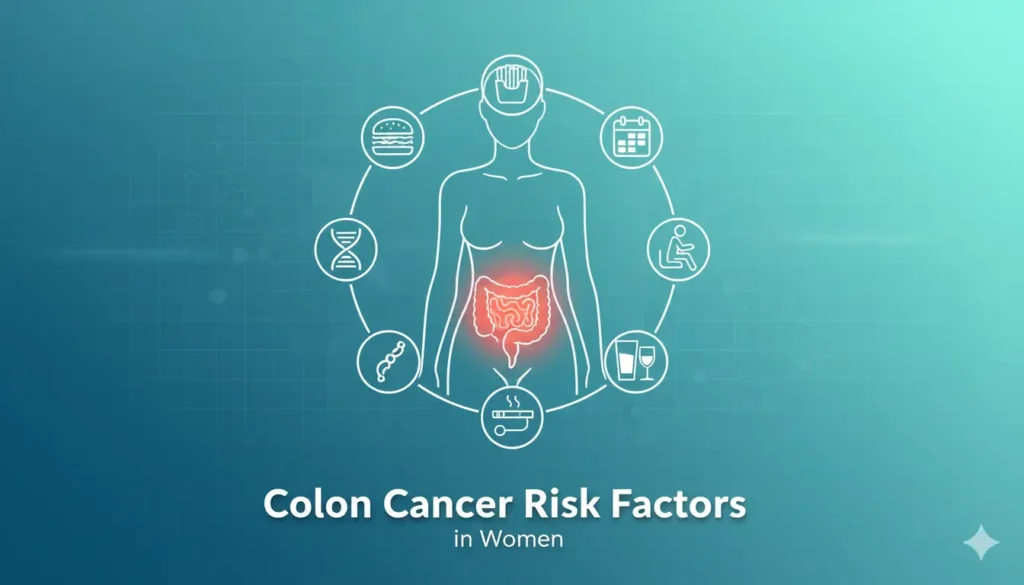
Several factors can increase the risk of developing colon cancer. While some risk factors cannot be controlled, others can be improved through lifestyle changes.
Common risk factors include:
- Age over 45
- Family history of colon cancer
- Diet high in processed or red meats
- Low fiber intake
- Smoking
- Excess alcohol consumption
- Obesity
- Sedentary lifestyle
Women with a family history of colon cancer may need to begin screening earlier than the general population.
Colon Cancer Screening Tests
Regular screening tests can detect colon cancer early or even prevent it by finding and removing polyps before they turn into cancer.
Below are common screening tests used to check for colon cancer.
| Screening Test | What It Does |
|---|---|
| Colonoscopy | Examines the entire colon for polyps or cancer |
| Stool Test | Checks stool for hidden blood |
| CT Colonography | Imaging test that provides detailed pictures of the colon |
| Flexible Sigmoidoscopy | Examines the lower part of the colon |
Most health experts recommend that average-risk adults start screening at age 45.
However, individuals with a higher risk may need to begin screening earlier.
How Colon Cancer Is Treated
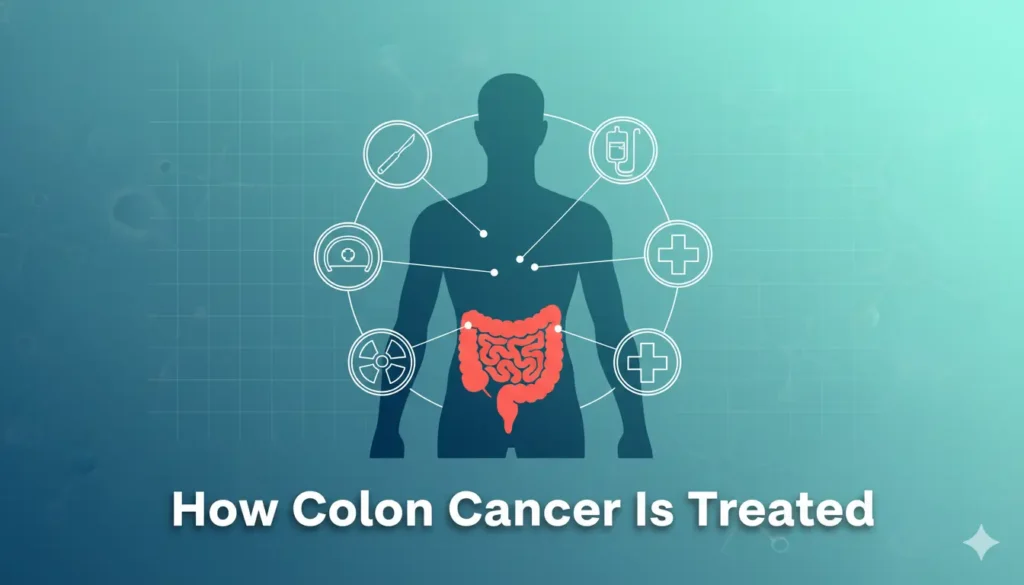
Treatment for colon cancer depends on several factors, including the stage of the cancer, overall health, and how far the cancer has spread.
Doctors may recommend one or more of the following treatments.
Surgery
Surgery is the most common treatment for colon cancer, especially in the early stages.
During surgery, the doctor removes the part of the colon that contains the cancer, along with nearby lymph nodes.
Chemotherapy
Chemotherapy uses powerful drugs to kill cancer cells. It may be used after surgery to destroy any remaining cancer cells or to treat cancer that has spread.
Radiation Therapy
Radiation therapy uses high-energy rays to destroy cancer cells. It is sometimes used to shrink tumors before surgery or to treat certain advanced cases.
Treatment plans are personalized for each patient based on their specific condition.
How Women Can Lower Their Risk
Although colon cancer cannot always be prevented, certain lifestyle habits can help reduce the risk.
Eat a Fiber-Rich Diet
Foods rich in fiber help support healthy digestion. Good sources include:
- Whole grains
- Fruits
- Vegetables
- Beans and legumes
Exercise Regularly
Physical activity helps maintain a healthy digestive system and reduces the risk of several cancers.
Maintain a Healthy Weight
Being overweight or obese increases the risk of colon cancer.
Limit Alcohol
Drinking alcohol in large amounts can increase cancer risk. Limiting intake may help protect overall health.
Avoid Smoking
Smoking is linked to many types of cancer, including colon cancer.
Get Regular Screenings
Screening tests are one of the most effective ways to detect colon cancer early.
When to See a Doctor
Some symptoms should always be checked by a medical professional, especially if they persist.
You should see a doctor if you experience:
- Blood in your stool
- Persistent abdominal pain
- Unexplained weight loss
- Chronic fatigue
- Long-lasting changes in bowel habits
Even if the symptoms turn out to be caused by a less serious condition, it is always better to get medical advice.
Conclusion
Colon cancer symptoms in women can be subtle and easy to overlook. Changes in bowel habits, persistent abdominal pain, unexplained fatigue, or blood in the stool should never be ignored.
Recognizing the early warning signs and seeking medical advice can make a significant difference in treatment success.
Regular screenings, a healthy lifestyle, and paying attention to your body are key steps in protecting your health.
Listening to your body and recognizing early warning signs could save your life.
FAQ
What are the early colon cancer symptoms in women?
Early colon cancer symptoms in women may include bloating, mild abdominal discomfort, changes in bowel habits, fatigue, and unexplained anemia. These symptoms can appear gradually and should be evaluated if they persist.
Can colon cancer cause fatigue?
Yes. Colon cancer can cause fatigue, often due to slow internal bleeding in the colon that leads to iron deficiency and anemia.
At what age should women get screened for colon cancer?
Most health experts recommend that women begin colon cancer screening at age 45. Women with a family history of colon cancer or other risk factors may need screening earlier.
Can colon cancer symptoms be mistaken for IBS?
Yes. Colon cancer symptoms can sometimes resemble irritable bowel syndrome (IBS) because both conditions may cause bloating, abdominal pain, and changes in bowel habits.
Is colon cancer common in women?
Colon cancer is one of the most common cancers worldwide and affects both men and women. Early detection through screening greatly improves treatment success and survival rates.
What does colon cancer stool look like?
Stool may appear dark, black, or contain visible blood. In some cases, stools may also appear unusually narrow or thin.
Disclaimer
The information on HealthHintz is provided for educational and informational purposes only and should not be considered medical advice. Always consult a qualified healthcare professional before making any medical or health-related decisions, starting a new treatment, or changing your existing health plan.