The Shocking Truth About PCOS Belly and How to Fix It Fast
Many women with PCOS struggle with stubborn belly fat that feels almost impossible to lose. Even when they exercise and try to eat healthy foods, the weight around the stomach may stay. This type of weight gain is often called the “PCOS belly.” It can feel frustrating and confusing. Understanding what PCOS is and why this belly fat happens can help women manage their health better.
PCOS (Polycystic Ovary Syndrome) is a hormonal condition that affects many women during their reproductive years. It can change how the body uses hormones, how it burns energy, and how menstrual cycles work. Because of these changes, some women may notice more fat around the stomach area. Learning the causes can help women take the right steps to feel better and improve their overall health.
Table of Contents
What Is PCOS?
PCOS stands for Polycystic Ovary Syndrome. It is a common hormonal disorder that affects many women, especially during their childbearing years. With PCOS, the ovaries may produce higher levels of male hormones called androgens. This hormonal imbalance can affect the menstrual cycle and make ovulation less regular.
Common symptoms of PCOS include:
- Irregular or missing periods
- Acne and oily skin
- Weight gain
- Thinning hair or hair loss on the scalp
- Excess facial or body hair
Not every woman will have the same symptoms. Some may have only a few signs, while others may experience many. Understanding these symptoms can help women find the right treatment and lifestyle changes.
What Is PCOS Belly?
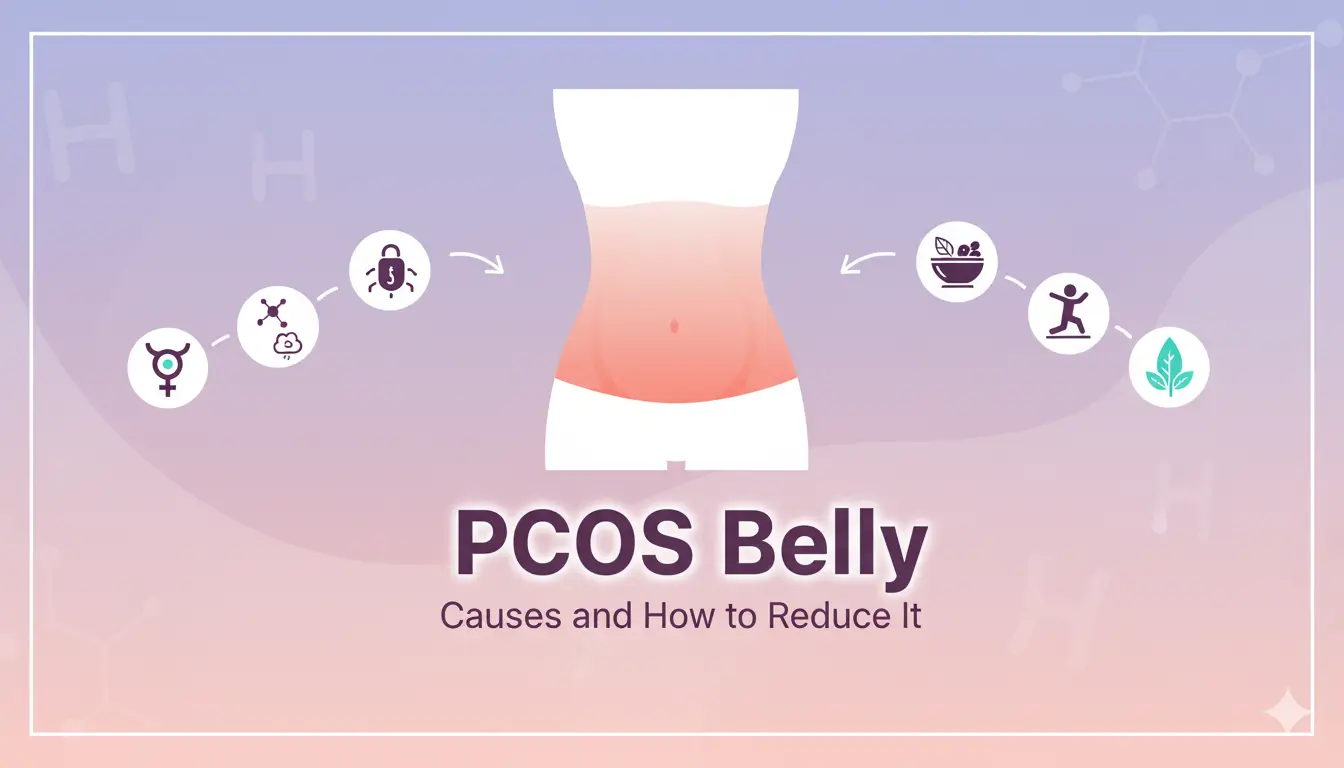
The term “PCOS belly” describes the build-up of fat around the abdominal area due to hormonal and metabolic changes linked to PCOS. Many women say this fat is more noticeable in the lower stomach. It may feel firmer and harder than regular belly fat.
Some women with PCOS notice an “apple-shaped” body, where most fat is stored around the waist instead of the hips or thighs. This belly fat is often more difficult to lose because it is linked to hormone levels and how the body processes sugar and energy.
What Causes PCOS Belly?
Several factors related to PCOS can lead to fat gain around the stomach.
Insulin Resistance
Many women with PCOS have insulin resistance. This means the body does not respond well to insulin, the hormone that controls blood sugar levels. To make up for this, the body produces more insulin.
High insulin levels can cause the body to store more fat, especially around the belly. It can also make weight loss harder and increase the risk of conditions like prediabetes and type 2 diabetes.
Hormonal Imbalance
Higher levels of male hormones (androgens) can affect how the body stores fat. These hormones may cause fat to build up around the abdomen instead of other areas like the hips or thighs. Even if a woman does not eat too many calories, hormonal imbalance can still lead to belly fat.
Inflammation
PCOS is often linked to low-level chronic inflammation. This type of inflammation can slow down metabolism and make weight management more difficult. It can also worsen insulin resistance, creating a cycle that supports fat gain around the stomach.
Stress Hormones
When a person feels stressed, the body releases cortisol, a hormone that can increase fat storage around the belly. Long-term stress can keep cortisol levels high, leading to more fat around the organs. Women with PCOS who experience high stress may notice faster weight gain in the abdominal area.
Symptoms Often Linked to PCOS Belly
Women with PCOS belly may notice:
- Weight gain around the stomach
- Bloating or abdominal discomfort
- Difficulty losing weight
- Irregular menstrual cycles
- Fatigue or low energy
- Sugar cravings
Symptoms can be different for each person. Some women may experience only mild changes, while others may notice stronger effects.
PCOS Belly vs Regular Belly Fat
| PCOS Belly | Regular Belly Fat |
|---|---|
| Caused by hormonal imbalance | Mostly caused by eating too many calories |
| Often linked to insulin resistance | Usually improves with simple diet changes |
| May come with other PCOS symptoms | Often occurs without hormonal symptoms |
| Often more firm and deeper (visceral fat) | Often softer and under the skin |
PCOS belly is often harder to lose because it is connected to deeper body processes like hormones and metabolism.
Foods That May Help Reduce PCOS Belly
Eating balanced meals can help control insulin levels and support hormone health.
| Food Type | Example Foods | Benefits |
|---|---|---|
| High-fiber foods | Vegetables, beans, oats | Help control blood sugar |
| Lean proteins | Chicken, fish, eggs | Support metabolism and fullness |
| Healthy fats | Avocado, olive oil, nuts | Help balance hormones |
| Low-glycemic carbs | Brown rice, quinoa | Reduce insulin spikes |
Combining protein, fiber, and healthy fats in meals can help keep energy levels stable and reduce cravings. For example, grilled chicken with brown rice and green vegetables can be a healthy option.
Lifestyle Changes That May Help Reduce PCOS Belly
- Exercise regularly
Both cardio and strength training can help burn calories, improve insulin sensitivity, and support hormone balance. - Follow a balanced low-glycemic diet
Choose whole foods like fruits, vegetables, whole grains, and lean proteins. Avoid too much sugar and processed food. - Improve sleep habits
Aim for 7–9 hours of sleep each night. Poor sleep can affect hormones and increase weight gain. - Manage stress
Relaxation methods like yoga, deep breathing, or meditation can help lower cortisol levels. - Stay consistent
Results take time. Small daily habits can lead to long-term changes.
When to See a Doctor
Medical advice may be needed if you notice:
- Persistent PCOS symptoms
- Irregular or missing periods
- Difficulty managing weight
- Signs of insulin resistance such as extreme fatigue or strong sugar cravings
A healthcare professional can suggest tests, treatments, or medications if necessary.
Conclusion
PCOS belly is linked to hormonal imbalance and insulin resistance. These changes can cause fat to build up around the stomach and make weight loss more challenging. However, healthy lifestyle habits like balanced eating, regular exercise, better sleep, and stress control can help manage symptoms and support gradual fat loss.
Understanding the causes of PCOS belly is the first step toward managing the condition and improving your overall health.
FAQ About PCOS Belly
What is a PCOS belly?
PCOS belly refers to excess fat around the abdomen that can occur due to hormonal imbalance and insulin resistance associated with polycystic ovary syndrome (PCOS).
Why do women with PCOS gain belly fat?
Women with PCOS often have higher insulin and androgen levels. These hormonal changes can cause the body to store more fat around the stomach area.
Can PCOS belly go away with diet and exercise?
Yes. Healthy eating, regular physical activity, and good stress management can help reduce abdominal fat linked to PCOS over time.
What foods help reduce PCOS belly?
Foods that support hormone balance include high-fiber vegetables, lean proteins, healthy fats, and low-glycemic carbohydrates such as whole grains and legumes.
Is PCOS belly dangerous?
Excess visceral fat around the abdomen may increase the risk of health problems such as insulin resistance, diabetes, and heart disease, which is why managing it is important.
How long does it take to reduce PCOS belly?
The timeline varies for each person. Some women notice improvements within a few months, while others may take longer. Consistency with diet, exercise, and lifestyle habits is key.
Disclaimer
The information on HealthHintz is provided for educational and informational purposes only and should not be considered medical advice. Always consult a qualified healthcare professional before making any medical or health-related decisions, starting a new treatment, or changing your existing health plan.