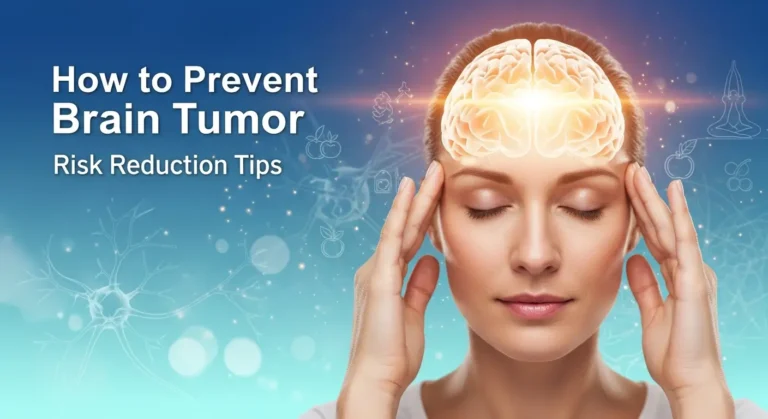
How to Prevent Brain Cancer Before It Starts
Most of us never think about brain cancer until it touches someone we know or love. We go about our busy lives, taking for granted the incredible organ that orchestrates our every thought, feeling, and action. But what if we could be more proactive? While it’s true that not all brain cancers are preventable, making small, conscious choices in our daily lives can make a big difference in protecting our long-term brain health.
Brain cancer is a serious topic, but understanding it is the first step toward empowerment. This guide is here to walk you through the risk factors and provide clear, actionable tips on how to prevent brain cancer risk before it even starts. Knowledge is your best defense, and every step you take toward a healthier lifestyle is a step toward safeguarding your future.
Table of Contents
Understanding Brain Cancer
In simple terms, brain cancer occurs when abnormal cells grow uncontrollably in the brain tissue, forming a mass or tumor. It’s important to know that not all brain tumors are cancerous.
- Benign Tumors: These are non-cancerous growths. They usually grow slowly and have clear borders, so they don’t spread to other parts of the brain. However, they can still cause serious problems by pressing on sensitive areas.
- Malignant Tumors: These are cancerous. They are more aggressive, grow rapidly, and can invade nearby healthy brain tissue. They can also be life-threatening and may return after treatment.
Brain cancer prevention isn’t about a magic cure; it’s about understanding the risk factors and making choices that help reduce brain cancer risk and support a healthy, resilient brain.
What Causes Brain Cancer?
The exact cause of most brain cancers is still unknown, but researchers have identified several key risk factors that can increase a person’s chances of developing one. Understanding these can help you focus your prevention efforts.
- Family or Genetic History: A small percentage of brain cancers are linked to inherited genetic syndromes like neurofibromatosis or Li-Fraumeni syndrome.
- Radiation Exposure: This is one of the few proven risk factors. High doses of ionizing radiation, particularly to the head from certain medical treatments for other cancers, can increase risk.
- Weakened Immune System: People with compromised immune systems, either from genetic conditions or from immunosuppressant drugs, may be at a slightly higher risk.
- Exposure to Harmful Chemicals: Long-term exposure to certain industrial chemicals, pesticides, or solvents has been linked to an increased risk in some studies.
- Poor Diet or Chronic Inflammation: A diet high in processed foods and sugar can create chronic inflammation throughout the body, which is a known contributor to cancer development.
- Smoking or Heavy Alcohol Use: These habits introduce toxins into the body that can damage DNA and increase the risk of many cancers.
- Aging: The risk for most brain cancers increases with age, as there is more time for genetic mutations to occur.
You can’t control every risk factor, like your age or family history. However, focusing on the lifestyle factors you can control is a powerful way to protect brain health.
How to Prevent Brain Cancer Before It Starts
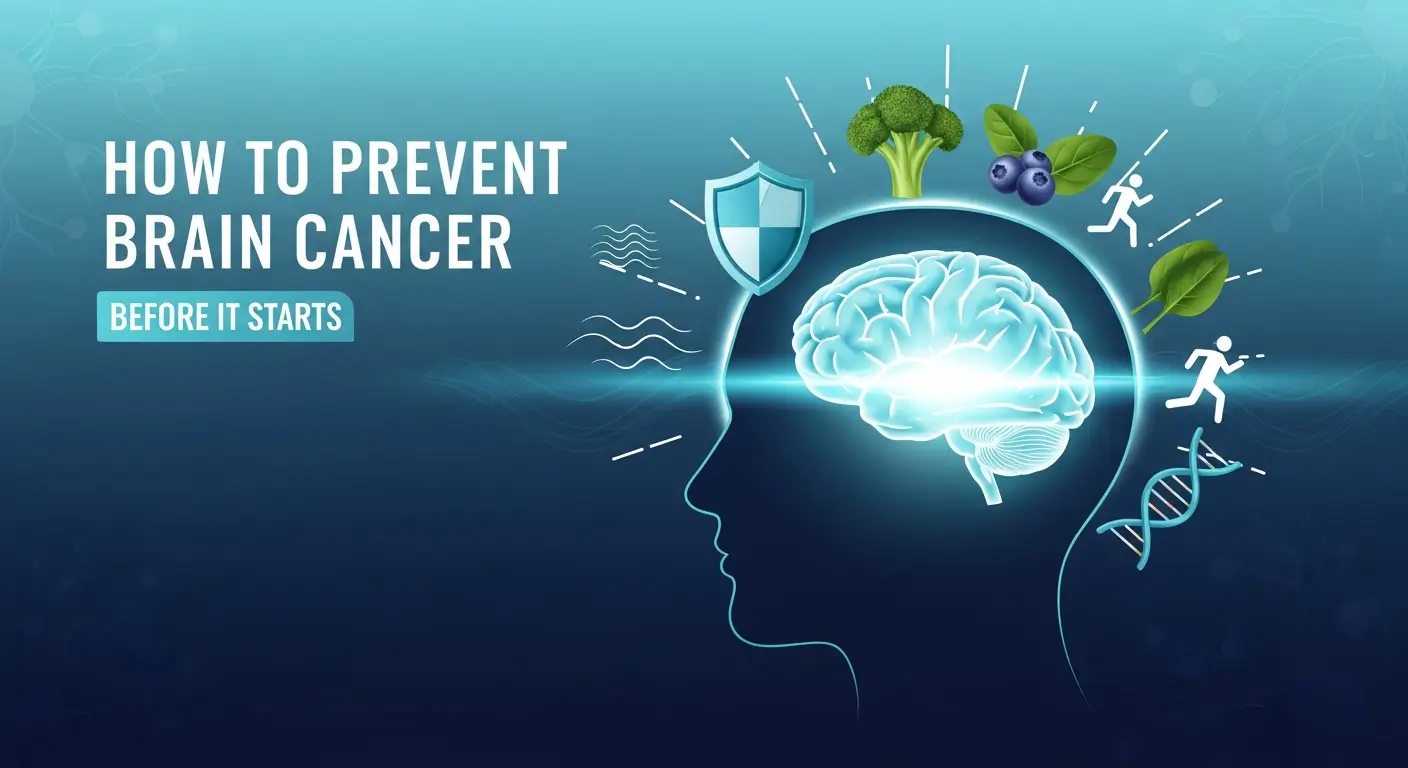
There is no 100% guaranteed way to prevent brain cancer, but you can take many proactive steps to lower your risk. Here are the best, most practical tips for brain cancer prevention.
1. Eat a Brain-Protective Diet
The food you eat is your first line of defense. A diet rich in anti-inflammatory and antioxidant foods can help protect your brain cells from damage and support your immune system.
| Food Type | Examples | Benefit |
|---|---|---|
| Antioxidant-Rich Foods | Blueberries, spinach, kale, artichokes, dark chocolate. | Fight free radicals and protect brain cells from oxidative damage. |
| Healthy Fats | Salmon, walnuts, avocados, olive oil, flaxseeds. | Omega-3 fatty acids are essential for brain structure and function, and they help reduce inflammation. |
| Whole Grains | Oats, quinoa, brown rice, barley. | Provide a steady supply of energy to the brain and improve blood flow. |
| Cruciferous Veggies | Broccoli, cauliflower, Brussels sprouts, cabbage. | Contain compounds that support your body’s natural detoxification processes and strengthen immunity. |
| Hydrating Foods | Watermelon, cucumber, celery, oranges. | Your brain is about 75% water, and staying hydrated is crucial for its function. |
Equally important is what you limit or avoid. Try to reduce your intake of processed meats, refined sugars, and fried foods, as these can create inflammation and put stress on your body.
2. Stay Physically Active
Regular exercise is a powerful tool to reduce brain cancer risk. It works in several ways:
- Improves Oxygen Flow: Exercise gets your heart pumping, which increases the flow of oxygen-rich blood to your brain.
- Boosts Immunity: It helps your immune cells become more effective at finding and destroying abnormal cells.
- Reduces Inflammation: Physical activity is a natural anti-inflammatory.
- Recommendation: Aim for at least 30 minutes of moderate activity, like brisk walking, swimming, yoga, or cycling, at least five days a week. Find something you enjoy so you can stick with it.
3. Protect Yourself from Radiation and Chemicals
While most of us don’t have high levels of exposure, being mindful is key.
- Question Medical Scans: CT scans use radiation and should only be done when medically necessary. Don’t be afraid to have a conversation with your doctor about the risks and benefits.
- Be Safe at Work: If your job involves working around radiation or industrial chemicals, strictly follow all safety guidelines, including wearing protective gear.
- Use Phones Wisely: The link between cell phone radiation and brain cancer is not proven, but a precautionary approach is smart. Use speaker mode or earphones for long calls to keep the device away from your head.
4. Quit Smoking and Limit Alcohol
Both tobacco and excessive alcohol are known to cause cellular damage that can lead to cancer.
- Quit Smoking: If you smoke, quitting is the single most impactful step you can take to reduce brain cancer risk and improve your overall health. Seek support through nicotine replacement therapy, counseling, or support apps.
- Limit Alcohol: Heavy drinking puts a strain on your body and can weaken your immune system. If you drink, do so in moderation.
5. Manage Stress and Prioritize Sleep
Your mental and emotional state has a profound impact on your physical health.
- Manage Chronic Stress: Long-term stress floods your body with cortisol, a hormone that can suppress your immune system and increase inflammation. Practice daily stress-relief techniques like deep breathing, meditation, or journaling.
- Get Quality Sleep: Your brain detoxifies and repairs itself while you sleep. Aim for 7–8 hours of quality sleep per night. A consistent sleep schedule in a dark, cool room can make a huge difference.
6. Keep Your Immune System Strong
A vigilant immune system is your body’s best defense against abnormal cells.
- Eat a Nutrient-Rich Diet: Your immune cells need a steady supply of vitamins and minerals from whole foods.
- Stay Hydrated: Water is crucial for helping your immune system function properly.
- Manage Chronic Conditions: Keep conditions like diabetes or high blood pressure under control, as they can put stress on your body and weaken your immunity.
7. Minimize Exposure to Pollutants
While you can’t live in a bubble, you can reduce your exposure to environmental toxins.
- Avoid Pesticides: Choose organic produce when possible and be careful when using pesticides in your home or garden.
- Ensure Good Ventilation: Use air purifiers indoors and make sure your home and workspace are well-ventilated, especially if you’re using paints or strong cleaning products.
8. Practice Brain Safety
Protecting your brain from physical injury is another important aspect of long-term brain health.
- Wear a Helmet: Always wear a helmet when biking, skiing, or playing contact sports.
- Use Your Seatbelt: This simple habit can prevent serious head injuries in an accident.
- Prevent Falls: Make your home safer by keeping floors clear and using non-slip mats in the bathroom.
When to See a Doctor
Knowing the early warning signs of a brain tumor is key to early detection. You should see a doctor or a neurologist as soon as possible if you experience any of these symptoms, especially if they are new or persistent:
- Frequent or severe headaches that are different from your usual pattern.
- Vision changes, such as blurry vision or double vision.
- Balance issues, dizziness, or clumsiness.
- Seizures or sudden fainting.
- Unexplained memory loss or confusion.
- Weakness, numbness, or tingling in your arms, legs, or face.
Don’t ignore persistent or unexplained symptoms—early diagnosis saves lives.
Myths About Brain Cancer Prevention
Let’s clear up a few common myths.
- Myth: “Cell phones cause brain cancer.”
- Fact: There is currently no strong scientific evidence to prove a direct link. However, as it’s a relatively new technology, long-term effects are still being studied, so taking precautions like using speaker mode is a wise choice.
- Myth: “Only old people get brain cancer.”
- Fact: While the risk increases with age, brain cancer can occur at any age, including in children.
- Myth: “Supplements can prevent brain cancer.”
- Fact: No pill can replace a healthy lifestyle. While certain nutrients are important for brain health, a balanced diet is far more effective and safer than relying on supplements for brain cancer prevention.
- Myth: “Brain cancer is always fatal.”
- Fact: This is not true. Many brain tumors, especially benign ones and some malignant ones caught early, are highly treatable.
Simple Everyday Habits to Protect Brain Health
Wondering how to prevent brain cancer risk in your daily life? It comes down to these simple habits:
- Stay Hydrated: Drink water consistently throughout the day.
- Take Mental Breaks: Step away from screens to rest your mind and eyes.
- Be a Lifelong Learner: Challenge your brain with new hobbies, reading, or puzzles.
- Stay Socially Connected: Maintaining strong social ties is great for your mental and emotional well-being.
- Get Regular Checkups: See your doctor for yearly checkups and report any new symptoms right away.
Conclusion
While we can’t control everything when it comes to our health, we can make conscious choices every single day that protect our brain and support our overall well-being. The journey of how to prevent brain cancer risk is not about fear; it’s about empowerment. It’s about understanding that prevention starts with awareness and continues with the small, consistent habits you build over time.
Every healthy meal you eat, every walk you take, and every good night’s sleep you get is an investment in your health. Every choice that protects your brain today helps safeguard your future.
FAQs About Preventing Brain Cancer
Can I really prevent brain cancer?
You cannot fully guarantee brain cancer prevention, as some risk factors are out of your control. However, you can significantly lower your risk by adopting a healthy lifestyle, eating a nourishing diet, and reducing your exposure to harmful substances.
What foods help protect the brain?
Foods that are rich in antioxidants and healthy fats are some of the best for brain protection. Focus on eating plenty of berries, leafy greens like spinach and kale, fatty fish like salmon, nuts, and olive oil.
Does stress increase brain cancer risk?
There is no direct proof that stress causes brain cancer. However, chronic stress is known to weaken the immune system and increase inflammation, which can make your body more vulnerable to a wide range of diseases, including cancer.
How often should I check my brain health?
You should have a yearly physical with your doctor to discuss your overall health. More importantly, pay attention to your body. If you experience any new, persistent, or concerning symptoms like severe headaches, vision changes, or confusion, you should see a doctor immediately.
Can lifestyle changes really make a difference?
Yes, absolutely. A healthy diet, regular exercise, quality sleep, and avoiding toxins like tobacco are all proven ways to reduce brain cancer risk and lower your overall cancer risk.
Disclaimer
The information on HealthHintz is provided for educational and informational purposes only and should not be considered medical advice. Always consult a qualified healthcare professional before making any medical or health-related decisions, starting a new treatment, or changing your existing health plan.