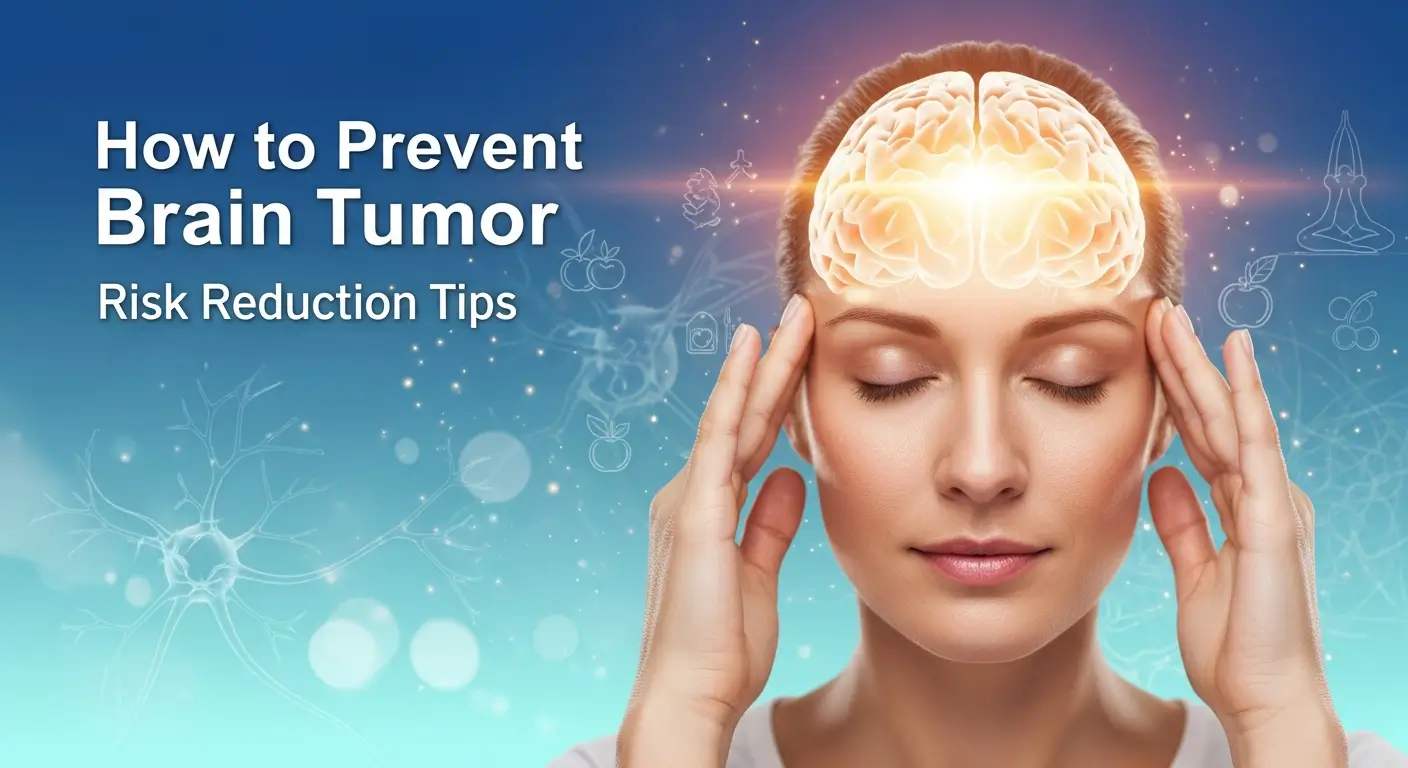
How to Prevent Brain Tumor: Risk Reduction Tips
We go through our days rarely thinking about the incredible organ humming away inside our heads. Our brain manages our thoughts, memories, movements, and emotions without asking for anything in return. It’s only when we experience a moment of brain fog, a forgotten name, or a dizzy spell that we’re reminded of how precious our brain health is. The thought of something serious, like a brain tumor, can be scary, but it’s a topic worth understanding.
A brain tumor is simply an abnormal growth of cells inside the brain. While it’s true that some brain tumors are linked to genetics and can’t be prevented, many aspects of our lifestyle and environment can influence our risk. This guide is here to walk you through practical, science-backed brain health tips and show you how to prevent brain tumor risk through choices you can make every single day.
Table of Contents
What Causes Brain Tumors?
When we talk about brain tumors, it’s important to understand that they happen when brain cells grow uncontrollably, forming a mass. There are two main types:
- Benign (Non-cancerous) Tumors: These grow slowly and typically stay in one place. While not cancerous, they can still cause problems by pressing on important parts of the brain.
- Malignant (Cancerous) Tumors: These are more aggressive, grow faster, and can spread to other areas of the brain.
So, what causes these cells to grow abnormally? The exact cause is often unknown, but researchers have identified several risk factors that can increase a person’s chances of developing a brain tumor. These include:
- Family History: A small number of brain tumors are linked to inherited genetic conditions.
- Radiation Exposure: High doses of ionizing radiation, especially to the head area from certain medical treatments, are a known risk factor.
- Weakened Immune System: People with compromised immune systems may have a slightly higher risk.
- Age and Gender: The risk for most brain tumors increases with age, and some types are slightly more common in men or women.
- Exposure to Harmful Chemicals: Long-term exposure to certain industrial chemicals, solvents, or pesticides may increase risk.
Having one or more risk factors does not mean you will get a brain tumor. It simply highlights areas where we can be more mindful and proactive.
Can You Prevent Brain Tumors?
This is the most important question, and the honest answer is that there is no 100% guaranteed method for brain tumor prevention. Some factors, like your genetics, are out of your control.
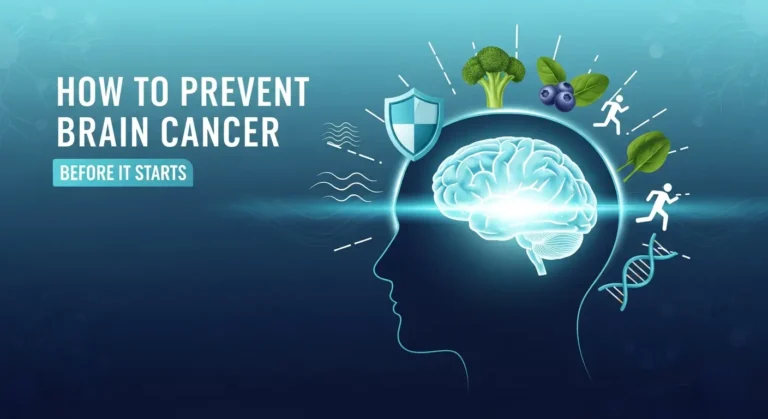
However, this is not a reason to feel powerless. You can significantly reduce brain cancer risk by adopting healthy habits that protect your brain, support your immune system, and minimize your exposure to harmful substances. Think of these habits as building a strong, resilient brain that is better equipped to defend itself. Let’s dive into the best prevention tips you can start using today.
Best Brain Tumor Prevention Tips
Here are some of the most effective and practical brain health tips you can incorporate into your daily life to help lower your risk.
1. Eat a Brain-Healthy Diet
The food you eat is one of the most powerful tools you have for protecting your brain. A diet rich in antioxidants and anti-inflammatory compounds can help protect your brain cells from damage.
| Food Type | Examples | Benefit |
|---|---|---|
| Antioxidant-Rich Foods | Blueberries, spinach, kale, dark chocolate, green tea. | Help fight oxidative stress and protect brain cells from damage. |
| Healthy Fats | Salmon, walnuts, avocado, olive oil. | Omega-3 fatty acids are crucial for brain structure and reducing inflammation. |
| Whole Grains | Brown rice, oats, quinoa. | Provide a steady supply of energy to the brain, improving blood flow and focus. |
| Lean Proteins | Eggs, tofu, fish, chicken. | Provide the amino acids needed to build healthy brain tissue and neurotransmitters. |
| Hydrating Foods | Cucumber, watermelon, oranges, celery. | Your brain is mostly water, so staying hydrated is essential for its function. |
Just as important is what you limit. Try to reduce your intake of processed meats, refined sugars, and fried foods, as these can promote inflammation throughout your body, including in the brain.
2. Avoid Tobacco and Limit Alcohol
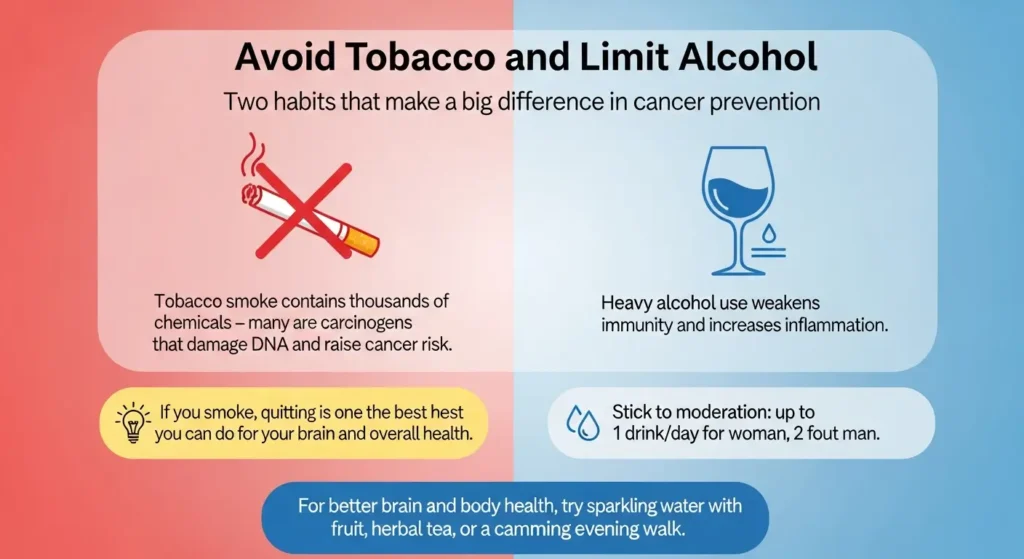
This is a fundamental part of any cancer prevention strategy.
- Quit Smoking: Tobacco smoke contains thousands of chemicals, many of which are known carcinogens that can damage DNA and increase the risk for many cancers. If you smoke, quitting is one of the best things you can do for your brain and overall health.
- Drink in Moderation: Heavy and long-term alcohol use can weaken the immune system, increase inflammation, and put stress on your body. If you do drink, stick to moderate consumption, which is generally defined as one drink per day for women and up to two for men. For even better brain health, consider alternatives like sparkling water with fruit, herbal teas, or a relaxing evening walk to de-stress.
3. Reduce Radiation and Chemical Exposure
While most of us don’t face high levels of radiation daily, it’s smart to be mindful of your exposure.
- Discuss Medical Scans: CT scans and other medical imaging that use ionizing radiation are vital diagnostic tools. However, you should always have a conversation with your doctor to ensure a scan is medically necessary before proceeding.
- Follow Workplace Safety: If your job involves working with radiation or harsh chemicals like pesticides or industrial solvents, always follow the recommended safety guidelines, such as wearing protective gear and ensuring proper ventilation.
- Use Phones Safely: The science on cell phone radiation and brain tumors is still not conclusive. However, a precautionary approach is wise. Use speaker mode or earphones for long calls to keep the device away from your head.
4. Exercise Regularly
Regular physical activity is a powerhouse for brain health. It helps reduce brain cancer risk in several ways.
- Improves Blood Flow: Exercise gets your heart pumping, which increases blood flow to the brain, delivering vital oxygen and nutrients.
- Boosts Immunity: Physical activity helps your immune cells work more efficiently, which is your body’s natural defense against abnormal cells.
- Reduces Inflammation: Exercise is one of the best natural anti-inflammatories.
- Recommendation: Aim for at least 30 minutes of moderate activity, like brisk walking, swimming, cycling, or yoga, at least five days a week.
5. Manage Stress and Get Quality Sleep
Chronic stress and lack of sleep can weaken your immune system, making your body more vulnerable to illness.
- Practice Relaxation: Find healthy ways to manage stress every day. This could include deep breathing exercises, journaling, meditation, or spending time in nature. Just a few minutes a day can make a big difference.
- Prioritize Sleep: Your brain cleans itself out and repairs cells while you sleep. Aim for 7–8 hours of quality sleep each night in a cool, dark, and quiet room.
6. Strengthen Your Immune System
A strong immune system is your best defense.
- Get Regular Checkups: Stay on top of your health with regular doctor visits.
- Eat a Nutrient-Rich Diet: Your immune cells need vitamins and minerals from whole foods to function properly.
- Stay Hydrated: Water is essential for every bodily function, including immunity.
- Get Vaccinated: Stay up to date on recommended vaccinations to prevent infections that can weaken your system.
7. Protect Your Brain from Injury
Head injuries can sometimes increase the risk of certain health problems down the line.
- Wear a Helmet: Always wear a helmet when biking, skiing, or playing contact sports.
- Use a Seatbelt: This is the easiest way to prevent head injuries in a car accident.
- Make Your Home Safe: Reduce the risk of falls by keeping your floors clear and using non-slip mats in the bathroom.
When to See a Doctor
Knowing the early warning signs of a brain tumor is key to early detection. You should see a doctor or neurologist as soon as possible if you experience any of these symptoms, especially if they are new or persistent:
- Persistent or severe headaches that are different from your usual pattern.
- Vision problems, such as blurry vision, double vision, or loss of peripheral vision.
- Dizziness, clumsiness, or problems with balance.
- Sudden memory loss or confusion.
- Weakness, numbness, or tingling in your arms, legs, or one side of your body.
- Seizures or fainting spells.
If you notice these symptoms, don’t panic, but do take them seriously. A prompt medical evaluation is the best course of action.
Myths About Brain Tumor Prevention
There’s a lot of misinformation out there. Let’s clear up a few common myths.
- Myth: “Cell phones directly cause brain cancer.”
- Fact: So far, major health organizations have not found conclusive evidence of a direct link. However, since the long-term effects are still being studied, it’s wise to take simple precautions like using speakerphone or earphones.
- Myth: “Only older adults get brain tumors.”
- Fact: While the risk does increase with age, brain tumors can occur at any age, including in children and young adults.
- Myth: “Supplements can prevent brain tumors.”
- Fact: No pill can replace a healthy lifestyle. While some vitamins are important for brain health, a balanced diet is far more effective than relying on supplements for brain tumor prevention.
- Myth: “Brain tumors are always fatal.”
- Fact: This is not true. Many benign tumors can be removed successfully, and even some malignant tumors are highly treatable, especially when detected early.
Simple Lifestyle Habits for Better Brain Health
Wondering how to prevent brain tumor risk in your daily life? It comes down to simple, consistent habits.
- Stay Hydrated: Drink water throughout the day.
- Give Your Brain a Rest: Take regular breaks from screens to avoid mental fatigue.
- Stay Socially Active: Connecting with others is great for your mental and emotional health.
- Keep Learning: Challenge your brain by learning a new skill or hobby.
- Eat Well and Move Daily: Make a balanced diet and regular exercise non-negotiable parts of your routine.
Conclusion
While we can’t control every risk factor for brain tumors, we can choose to build daily habits that protect our brain and support our overall health. Brain tumor prevention is not about a single action but about a lifelong commitment to wellness. It starts with awareness and continues with the small, positive choices you make every single day.
By eating well, staying active, managing stress, and listening to your body, you are taking powerful steps to care for your brain. Protecting your brain today is one of the best gifts you can give your future self.
FAQs About Brain Tumor Prevention
Can you really prevent a brain tumor?
You cannot completely prevent a brain tumor, as some risk factors like genetics are out of your control. However, you can significantly reduce brain cancer risk by making healthy lifestyle choices, avoiding harmful exposures, and focusing on overall brain health.
What foods help prevent brain tumors?
There is no single food that can prevent a brain tumor, but a diet rich in antioxidants and anti-inflammatory compounds is one of the best brain health tips. Focus on eating plenty of berries, leafy greens, fatty fish like salmon, nuts, and other whole foods.
Does stress cause brain tumors?
There is no direct evidence that stress causes brain tumors. However, chronic stress weakens your immune system, which can make your body more vulnerable to a wide range of health problems, including cancer. Managing stress is a key part of any prevention plan.
How can I protect my brain every day?
Simple daily habits are key to knowing how to prevent brain tumor risk. Eat a colorful diet, move your body for at least 30 minutes, get 7-8 hours of quality sleep, manage your stress, and be mindful of your exposure to chemicals and radiation.
What are early signs I should never ignore?
You should never ignore persistent and severe headaches (especially if they are new), sudden vision changes, unexplained confusion or memory loss, or seizures. If these symptoms appear, see a doctor right away.
Disclaimer
The information on HealthHintz is for educational purposes only. It should not be used as a substitute for professional medical advice, diagnosis, or treatment. Always consult your doctor before making any health-related decisions.