9 Skin Health Signs your skin is sending about your health
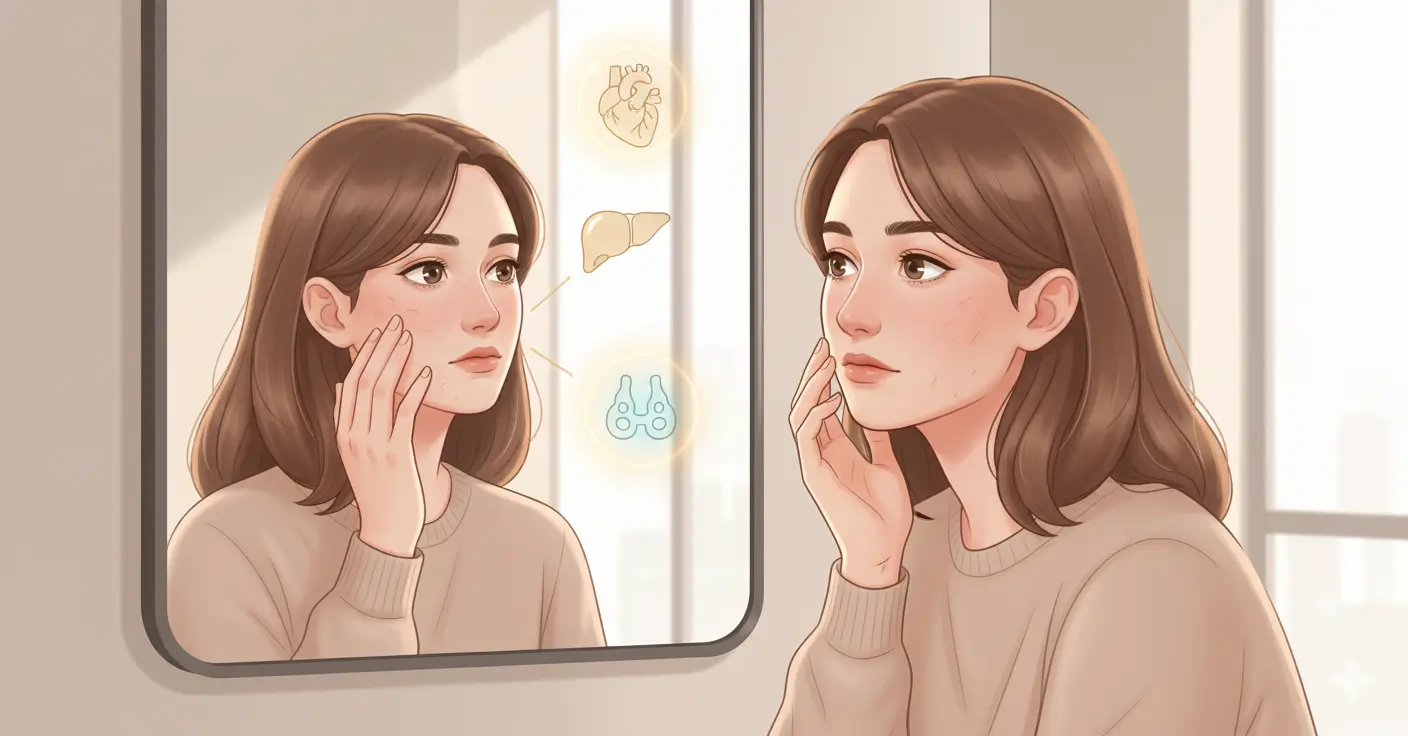
Did you know your skin can show signs of your health? Certain traits in your skin can hint at deeper issues. Your body talks to you through skin condition signals.
Knowing these signs is key to catching problems early. Changes in your skin can mean you need to look into health issues that are hidden.
In this article, you’ll learn about 9 important skin health signs. These signs might point to bigger health problems. Remember, this info is for learning, not for medical advice. Always talk to a doctor before making health choices.
Table of Contents
Your Skin as a Health Messenger
Your skin is more than just a shield; it’s a key to your health. It’s the body’s biggest organ, playing a big role. It helps control body temperature and guards against harm.
The Skin as Your Body’s Largest Organ
The skin is a complex organ covering your whole body. It’s the first defense against the outside world. It regulates body temperature and protects against external damage, keeping you healthy.
How Skin Reflects Internal Health
Changes in your skin can show health issues. Dry skin might mean you’re not getting enough nutrients. Unusual redness could point to inflammation inside.
Watching your skin closely is important. If you see anything odd, talk to a doctor. The info on HealthHintz is for learning and info, not medical advice.
Persistent Redness and Inflammation
Persistent redness and inflammation are more than just skin issues; they show how well you’re doing overall. If your skin is always red or inflamed, it’s important to know why and when to see a doctor.
What It Looks Like
Redness and inflammation can show up in different ways. It might be a light flush or a big, wide reaction. Rosacea is a common problem that makes your skin red and shows blood vessels.
Potential Underlying Causes
Many things can cause redness, like allergies, sensitive skin, or health problems. Finding out what’s causing it is the first step to fixing it.
When to Consult a Healthcare Professional
If you have redness that won’t go away or is very bad, see a doctor. They can figure out why and suggest the right treatment. Always talk to a doctor before making any health choices.
Unusual Dryness and Flaking
Unusual dryness and flaking on your skin can be more than just a cosmetic issue; it may signal an underlying health problem. Understanding the causes and knowing how to treat dry skin can help you maintain healthier skin.
Common Appearances and Symptoms
Dry skin, also known as xerosis, can manifest in various ways, including:
- Tightness or roughness
- Flaking or scaling
- Itchiness or irritation
- Redness or inflammation
These symptoms can occur anywhere on the body but are more common on the arms, legs, and hands.
Health Conditions That Cause Dry Skin
Several health conditions can lead to dry, flaky skin, including:
- Eczema: A chronic condition characterized by itchy, inflamed skin.
- Psoriasis: An autoimmune condition that speeds up the life cycle of skin cells, causing them to build up rapidly on the surface.
- Nutritional deficiencies: Lack of vitamins like A, C, or E, and minerals like zinc can affect skin health.
Treatment Approaches
Treating dry skin involves a combination of self-care measures and, if necessary, medical treatments. Moisturizing is key; use a gentle, fragrance-free moisturizer immediately after bathing. Topical corticosteroids or immunomodulators may be prescribed for underlying conditions like eczema. Maintaining a healthy lifestyle, including a balanced diet rich in essential fatty acids and staying hydrated, can support skin health.
The information on HealthHintz is provided for educational and informational purposes only.
Changes in Skin Color and Pigmentation

Changes in skin color or pigmentation are more than just looks. They can show how well you’re doing health-wise. Your skin is a complex organ that shows what’s going on inside your body. Changes in its look can mean different things.
Types of Discoloration
Discoloration can show up in different ways. You might see hyperpigmentation, hypopigmentation, or erythema. Hyperpigmentation is darker spots, often from sun, inflammation, or hormones. Hypopigmentation is lighter skin areas, like with vitiligo.
Erythema, or redness, can mean inflammation, infection, or allergies. Knowing about these changes helps spot health problems early.
What Different Colors May Indicate
Different skin colors can mean different health issues. For example, yellowish skin might point to liver problems or jaundice. Bluish discoloration (cyanosis) could mean poor blood flow or breathing issues.
| Skin Color Change | Potential Health Issue |
|---|---|
| Yellowish Skin | Liver issues, Jaundice |
| Bluish Discoloration | Poor circulation, Respiratory problems |
| Redness or Erythema | Inflammation, Infection, Allergic reactions |
Monitoring Changes Effectively
To keep track of skin changes, know what your skin usually looks like. Look for any differences. Regular checks on yourself and visits to a doctor can catch problems early. Always talk to a doctor before making health decisions.
By watching for skin color and pigmentation changes, you can stay healthy. Catching issues early helps prevent them from getting worse.
Key Skin Health Signs You Shouldn’t Ignore
Your skin is a complex organ that often reflects your overall health. Certain skin conditions can signal underlying health issues that need attention. Understanding these signs can help you take appropriate action to maintain your overall well-being.
Acne Beyond Adolescence
Experiencing acne as an adult can be frustrating and may indicate underlying health concerns. Hormonal imbalances are a common cause of adult acne.
Hormonal Imbalances and Your Skin
Hormonal fluctuations, like in women, can lead to acne. Conditions like polycystic ovary syndrome (PCOS) are often associated with skin breakouts.
Dietary Connections to Skin Breakouts
Your diet can also play a role in adult acne. Consuming dairy products or foods high in sugar can trigger or exacerbate acne in some individuals.
Excessive Sweating
While sweating is a normal bodily function, excessive sweating (hyperhidrosis) can be a sign of an underlying health issue.
When Sweating Signals Health Problems
Hyperhidrosis can be linked to various health conditions, including thyroid disorders and low blood sugar.
Premature Aging and Wrinkles
Premature aging of the skin, characterized by wrinkles and age spots, can be caused by a combination of lifestyle factors and underlying health conditions.
When Aging Isn’t Just About Years
While aging is a natural process, certain factors can accelerate it. Smoking, excessive sun exposure, and poor nutrition can all contribute to premature aging.
Lifestyle Factors vs. Health Conditions
Health conditions such as hormonal imbalances or autoimmune diseases can also affect skin aging. Understanding the cause can help you address the issue effectively.
The information on HealthHintz is provided for educational and informational purposes only. Paying attention to these skin health signs can help you identify and address health issues early.
Slow Healing Wounds and Bruising
Slow healing wounds and bruising can be more than just a minor annoyance. They can show signs of underlying health issues that need attention. When your skin is injured, the body starts the healing process. This involves many physiological processes.
Normal vs. Abnormal Healing Times
The time it takes for wounds to heal can vary. It depends on the injury’s severity and location. Minor cuts and scrapes usually heal in a few days to a week.
If wounds take much longer to heal, it could mean there’s an underlying issue. Factors such as age, nutrition, and overall health can influence healing times.
Circulation and Immune System Concerns
Poor circulation and immune system dysfunction can slow down healing. Circulation issues can reduce blood flow to the affected area. This area then lacks oxygen and nutrients needed for healing.
A weakened immune system also makes it harder for your body to fight off infections. This further delays the healing process.
Nutritional Deficiencies That Affect Healing
Nutritional deficiencies, like a lack of vitamins and minerals, can slow healing. Vitamins C, zinc, and protein are important for healing. Eating a balanced diet rich in these nutrients is key for healthy skin traits and supporting healing.
Always talk to a qualified healthcare professional before making any medical or health-related decisions.
Itching, Hives, and Allergic Reactions
Your skin is trying to tell you something when you experience itching, hives, or allergic reactions; it’s time to listen. These signs can range from minor irritations to serious health issues that need immediate attention. Understanding the difference is key for your overall health.
Distinguishing Between Common Irritation and Serious Reactions
Not all itching or hives are the same. Some may be due to temporary exposure to irritants, while others can be symptoms of underlying conditions like eczema, psoriasis, or even life-threatening allergic reactions. It’s important to watch the duration, severity, and any other symptoms.
Internal Triggers for Skin Allergies
Sometimes, itching, hives, and allergic reactions come from inside your body. This includes food allergies, autoimmune disorders, or other health conditions. Finding these triggers can be hard but is vital for managing your symptoms.
Documenting Symptoms for Your Doctor
Keeping a detailed record of your symptoms is very helpful for your doctor. Include when they happen and any possible triggers you’ve found. This info can help your doctor decide on tests and treatments, making sure you get the right care for your skin.
Texture Changes and Unusual Growths
Your skin is a key sign of your health. Changes in texture or unusual growths should not be ignored. Watching for these signs can help spot health problems early.
Identifying Concerning Skin Growths
Concerning skin growths can look different. They might be new, changing, or odd in shape, size, or color. It’s important to watch for any growth that bleeds, oozes, or won’t heal.
The ABCDE Rule for Skin Cancer Detection
The ABCDE rule helps check moles or growths:
- Asymmetry: One half of the mole doesn’t match the other.
- Border: The edges are irregular, ragged, or blurred.
- Color: The color is not uniform and may include shades of black, brown, or tan.
- Diameter: The mole is larger than 6mm in diameter.
- Evolving: The mole is changing in size, shape, or color.
If you see any of these signs, see a healthcare professional.
Benign vs. Concerning Texture Changes
Not all texture changes or growths are bad. But, any new or changing skin feature should be checked. Benign changes might be harmless moles or skin tags. But, concerning changes could mean skin cancer or other health issues. Always talk to a healthcare expert before making any health decisions.
Conclusion: Taking Action for Healthier Skin
Knowing the 9 skin health signs can help you take steps towards better skin and health. Your skin shows what’s going on inside your body. Changes in your skin can mean there’s something wrong.
Spotting skin health signs and what they mean can help you catch health problems early. This lets you get advice from a doctor who knows you. They can help you find the right treatment for your skin issues.
Healthy skin isn’t just about what you put on your skin. It’s also about what’s happening inside your body. By learning and acting, you can make your skin and overall health better. The info on HealthHintz is for learning and info, not medical advice.
FAQs About Skin Health and Overall Wellness
Your skin can reveal a lot about your overall health. Explore these frequently asked questions to learn how to spot signs of vitality, detect underlying issues, and maintain glowing skin.
Frequently asked questions about skin wellness
Signs of healthy skin include a smooth texture, even tone, and natural radiance. Healthy skin regenerates quickly, heals fast, and is free from redness, inflammation, or dryness.
Watch for skin changes such as dryness, redness, or color shifts. These can signal health problems like allergies, hormonal imbalances, or internal conditions that affect skin function.
Healthy skin feels firm, appears hydrated, and glows naturally. It heals quickly and resists irritation or inflammation, reflecting proper hydration and nutrition.
Severe itching, swelling, hives, or trouble breathing may indicate a serious allergic reaction. If these symptoms appear, seek immediate medical attention.
Texture changes, persistent redness, or unusual growths are important indicators. Recognizing these early helps you detect potential health issues before they worsen.
Perform monthly self-checks. Note changes in texture, color, or the appearance of new spots. Take photos for comparison and consult a doctor if you notice persistent or unusual changes.
Persistent redness, dryness, discoloration, or delayed healing can indicate deeper conditions such as eczema, rosacea, or autoimmune disorders. A dermatologist can help identify the cause.
Keep your skin hydrated and protected from the sun. Use gentle skincare products, eat a balanced diet, stay hydrated, and manage stress to promote long-term skin and body health.