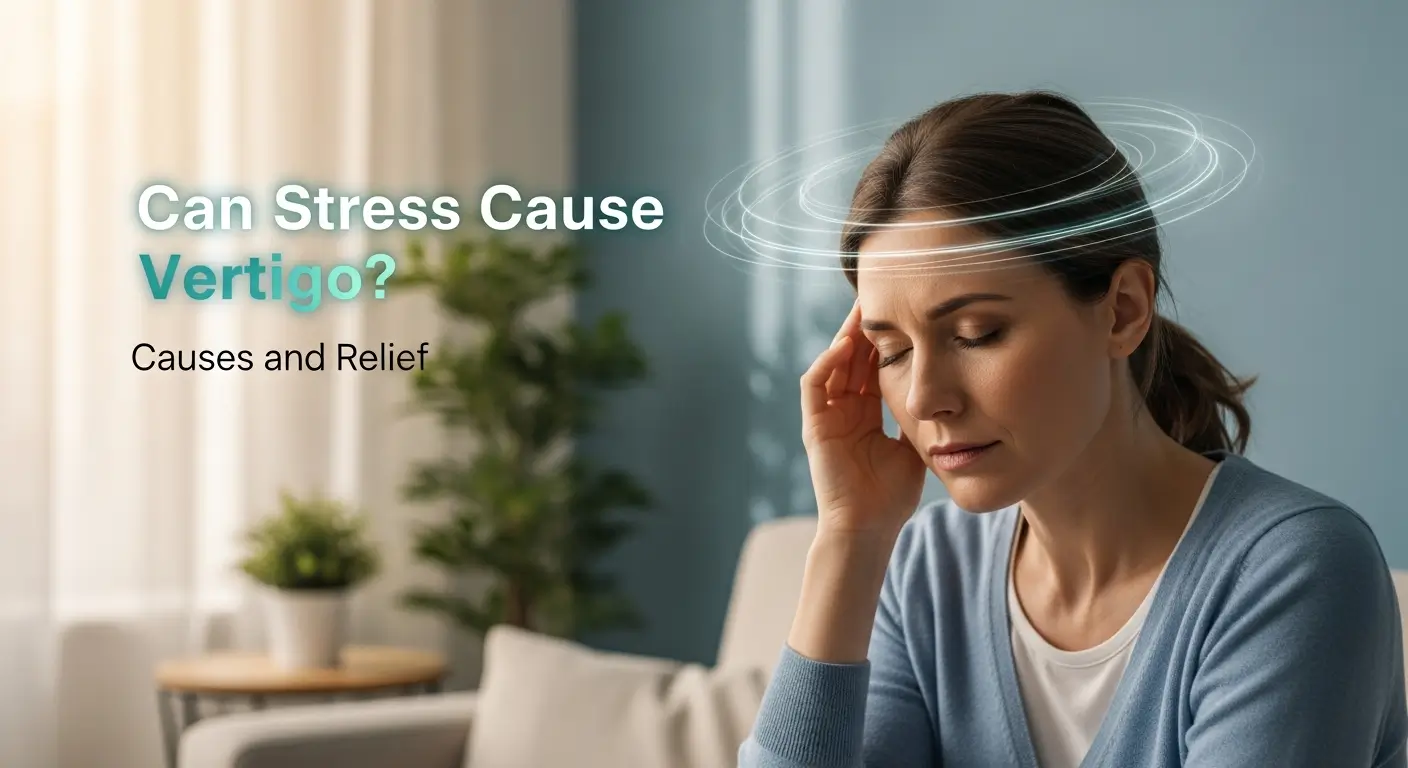
Can Stress Cause Vertigo? Causes and Relief
You’re standing in line at the grocery store, your mind racing through a long to-do list, when suddenly the world starts to tilt. The floor feels like it’s moving, and you have to grab onto the cart to steady yourself. It’s a terrifying moment of dizziness that comes out of nowhere, leaving you feeling scared and disoriented. If you’ve ever experienced something like this during a high-stress moment, you may have wondered: can stress cause vertigo?
The connection between your mind and your body is incredibly powerful, and stress can manifest in surprising physical ways. While vertigo is often linked to inner ear problems, chronic stress and anxiety can be significant triggers for many people. In this guide, we’ll explore the link between stress and vertigo, help you identify the symptoms, and share practical steps for finding relief.
Table of Contents
Understanding Vertigo: More Than Just Dizziness
Before we dive into the stress connection, it’s important to understand what vertigo really is. Many people use the words “dizziness” and “vertigo” interchangeably, but they are different sensations.
- Dizziness is a general term for feeling lightheaded, woozy, or off-balance.
- Vertigo is a specific type of dizziness characterized by a spinning sensation. You might feel like you are spinning, or that the room around you is spinning.
This false sense of movement is usually caused by a problem in the vestibular system, which includes the inner ear and parts of the brain that control balance. Common causes of vertigo include:
- Benign Paroxysmal Positional Vertigo (BPPV): Tiny crystals in the inner ear get dislodged.
- Meniere’s Disease: A disorder of the inner ear that causes vertigo, hearing loss, and ringing in the ears (tinnitus).
- Vestibular Neuritis or Labyrinthitis: Inflammation of the inner ear or the nerves connecting the inner ear to the brain, often caused by a virus.
- Migraines: Vestibular migraines can cause vertigo as a primary symptom.
- Anxiety and Stress: Intense emotional or psychological distress can trigger or worsen vertigo symptoms.
Can Stress Cause Vertigo? The Mind-Body Connection
So, can stress cause vertigo? The answer is yes, it absolutely can. While stress might not be the direct cause in the same way an inner ear infection is, it can be a powerful trigger that sets off a vertigo episode. Here’s how it works.
When you experience stress or anxiety, your body goes into “fight-or-flight” mode. This is a primitive survival response designed to help you deal with a perceived threat. Your brain releases stress hormones like cortisol and adrenaline, which cause several physical changes:
- Your heart rate and blood pressure increase.
- Your breathing becomes faster and shallower.
- Blood flow is redirected to your major muscles.
These changes can directly affect your vestibular system. The nerves in your inner ear are highly sensitive to changes in blood flow and hormones. The surge of stress hormones can overstimulate these nerves, sending confusing signals to your brain about your body’s position in space. This mismatch between what your inner ear is sensing and what your eyes are seeing can result in the spinning sensation of vertigo.
For some people, this becomes a vicious cycle: stress causes vertigo, and the terrifying feeling of vertigo causes even more stress and anxiety, making the symptoms worse.
Common Symptoms of Stress-Related Vertigo
When stress is the trigger, vertigo symptoms can feel overwhelming. You might experience:
- A distinct spinning or whirling sensation.
- Feeling unsteady or off-balance, as if you’re about to fall.
- Lightheadedness or a feeling of floating.
- Blurred vision or difficulty focusing your eyes.
- Nausea and sometimes vomiting.
- Sweating, heart palpitations, or shortness of breath (often related to the underlying anxiety).
How to Tell If Stress Is the Cause of Your Vertigo
Because vertigo can have many different causes, it’s important not to self-diagnose. However, there are clues that might suggest your vertigo is stress-related.
- Timing: Do your vertigo episodes happen during or after a particularly stressful event, a panic attack, or a period of high anxiety?
- Triggers: Do you notice the dizziness gets worse when you’re in crowded places, feeling overwhelmed, or thinking about something stressful?
- Accompanying Symptoms: Is your vertigo accompanied by other classic signs of anxiety, like a racing heart, sweaty palms, or a feeling of doom?
Even if you suspect stress is the cause, it is crucial to see a doctor for a proper diagnosis. A doctor can perform tests to rule out other medical conditions like BPPV, Meniere’s disease, or a neurological issue. Getting a clear diagnosis will ensure you receive the right treatment.
Finding Relief: How to Manage Stress-Induced Vertigo
Managing vertigo caused by stress involves calming both your body and your mind. This includes strategies for immediate relief during an episode and long-term techniques to manage your stress.
Immediate Relief During an Episode
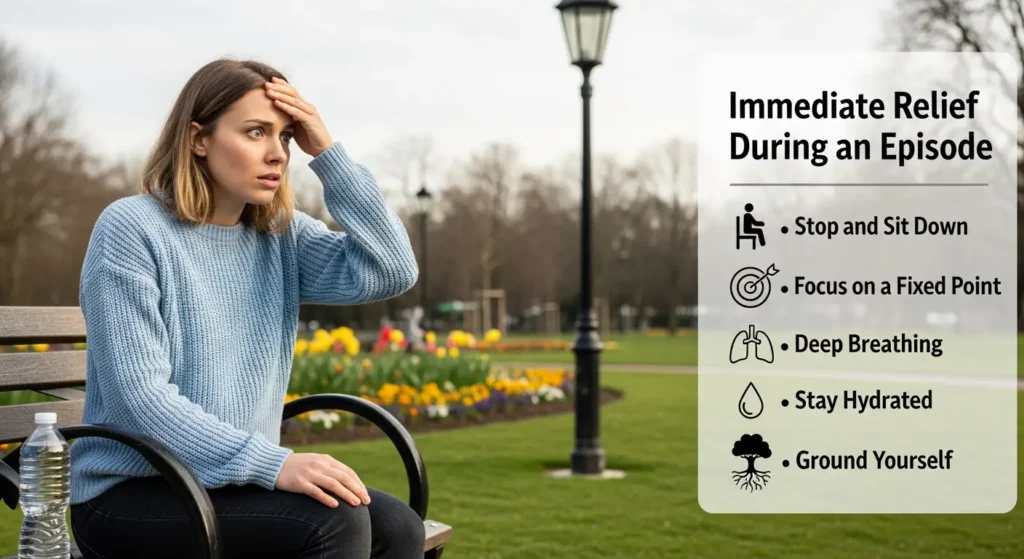
When you feel an episode of vertigo coming on, try these grounding techniques:
- Stop and Sit Down: The first thing to do is sit or lie down in a safe place to prevent a fall.
- Focus on a Fixed Point: Find a non-moving object in the room and fix your gaze on it. This can help your brain reorient itself and may reduce the spinning sensation.
- Deep Breathing: Practice slow, deep belly breaths. Inhale slowly through your nose for a count of four, hold for a moment, and then exhale slowly through your mouth for a count of six. This helps calm your nervous system.
- Stay Hydrated: Sip on some cool water. Dehydration can make dizziness worse.
- Ground Yourself: If you are sitting, press your feet firmly into the floor. Notice the sensation of the ground beneath you. This can help you feel more stable.
Long-Term Management Strategies
The key to preventing stress-related vertigo is to manage your overall stress levels.
- Stress-Reduction Practices: Incorporate daily habits like mindfulness meditation, yoga, or tai chi. These practices have been proven to lower cortisol levels and calm the nervous system.
- Therapy: Cognitive Behavioral Therapy (CBT) can be extremely effective. A therapist can help you identify the thought patterns that trigger your anxiety and teach you new ways to cope with stress.
- Diet and Sleep: Prioritize a balanced diet rich in whole foods and aim for 7-9 hours of quality sleep per night. Poor sleep and nutritional deficiencies can make your body more vulnerable to stress.
- Vestibular Rehabilitation Therapy (VRT): If recommended by your doctor, a physical therapist can guide you through specific exercises to help your brain adapt to and compensate for the confusing signals from your inner ear.
Lifestyle Changes to Help Prevent Vertigo Episodes
Making small, consistent changes to your daily routine can build your resilience to stress and reduce the frequency of vertigo episodes.
- Create a Calm Morning Routine: Instead of rushing out the door, wake up 15 minutes earlier to stretch, meditate, or simply enjoy a quiet cup of tea.
- Stay Hydrated: Drink plenty of water throughout the day. Even mild dehydration can trigger dizziness.
- Limit Caffeine and Alcohol: Both can overstimulate your nervous system and may trigger vertigo in sensitive individuals.
- Move Your Body Gently: Regular, gentle exercise like walking or swimming is a fantastic way to manage stress. Avoid sudden, jerky movements if you are prone to vertigo.
- Practice Good Posture: Pay attention to your posture, especially when sitting at a desk. Tension in the neck and shoulders can contribute to dizziness.
When to See a Doctor Immediately
While most stress-related vertigo is not dangerous, some symptoms can indicate a more serious medical emergency, like a stroke. Seek immediate medical attention if your vertigo is accompanied by:
- Sudden, severe headache (often described as “the worst headache of your life”).
- Sudden hearing loss in one ear.
- Numbness or weakness in your face, arm, or leg.
- Difficulty speaking or confusion.
- Fainting or loss of consciousness.
- Double vision.
Conclusion
The spinning world of vertigo can be deeply frightening, but understanding its connection to stress is the first step toward regaining control. While the question “can stress cause vertigo?” has a clear answer, remember that your body is sending you a message. It’s asking you to slow down, breathe, and address the underlying stress in your life.
By learning to manage your stress through healthy habits, relaxation techniques, and professional support, you can calm the storm inside and find your footing again. With the right care and a commitment to your well-being, you can manage stress-induced vertigo and live a calmer, more balanced life.
FAQs About Stress and Vertigo
Can stress cause vertigo every day?
Yes, if you are under chronic, high levels of stress, it’s possible to experience symptoms of dizziness or vertigo on a daily basis. This is often part of a cycle where stress triggers dizziness, and the fear of dizziness creates more stress.
How long does stress vertigo last?
An episode of stress-induced vertigo can last anywhere from a few seconds to several minutes. In some cases, a feeling of being off-balance or “woozy” can linger for hours after the initial spinning has stopped.
What’s the difference between vertigo and dizziness from anxiety?
Vertigo is a specific sensation of spinning, while dizziness from anxiety is often described as a more general feeling of lightheadedness, unsteadiness, or feeling like you might faint. However, severe anxiety and panic attacks can absolutely trigger true vertigo.
Can relaxation techniques stop vertigo caused by stress?
Yes. Techniques like deep breathing and mindfulness can calm your nervous system, which can help stop a stress-induced vertigo episode in its tracks or reduce its severity.
Should I see a doctor for stress-related vertigo?
Definitely. It’s essential to get a proper diagnosis from a doctor to rule out any other underlying medical causes for your vertigo before concluding that it is solely related to stress.
Disclaimer
The information on HealthHintz is provided for educational and informational purposes only and should not be considered medical advice. Always consult a qualified healthcare professional before making any medical or health-related decisions, starting a new treatment, or changing your existing health plan.