Liver Cancer: Symptoms, Causes, and Treatment
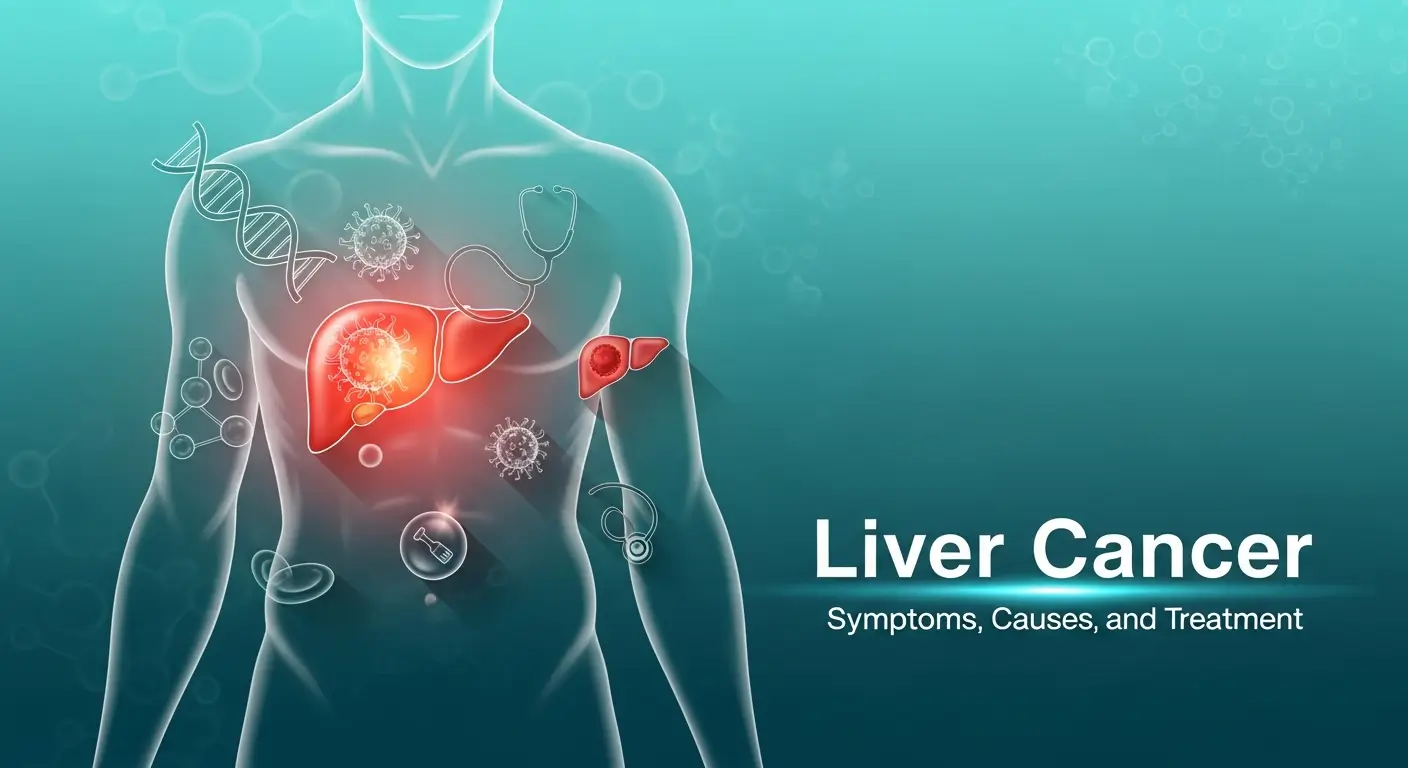
The liver is one of your body’s quietest, hardest-working organs. Every day, it handles hundreds of important jobs, from cleaning your blood and helping you digest food to storing energy for when you need it most. It does all of this without asking for any attention. But because it works so silently, the signs can be easy to miss when something goes wrong.
Learning about liver cancer can feel scary, but knowledge is a powerful tool. Understanding this disease can help you recognize the early signs, know the risk factors, and feel empowered to take charge of your health. This guide will gently walk you through the common symptoms, causes, and treatment options for liver cancer, helping you know when it’s time to seek medical help.
Table of Contents
What Is Liver Cancer?
Liver cancer is a type of cancer that begins in the cells of your liver. It’s important to understand the difference between the two main types of cancer that can affect the liver:
- Primary Liver Cancer: This is cancer that starts in the liver itself. The most common type is called hepatocellular carcinoma (HCC). This is the type we will focus on in this article.
- Secondary Liver Cancer (or Metastatic Cancer): This is cancer that starts in another part of the body—like the colon, lung, or breast—and then spreads (metastasizes) to the liver.
Primary liver cancer is more common in people who have other chronic liver diseases. Conditions like hepatitis or cirrhosis can cause long-term damage to liver cells, which can eventually lead them to grow out of control and form a tumor.
Symptoms of Liver Cancer
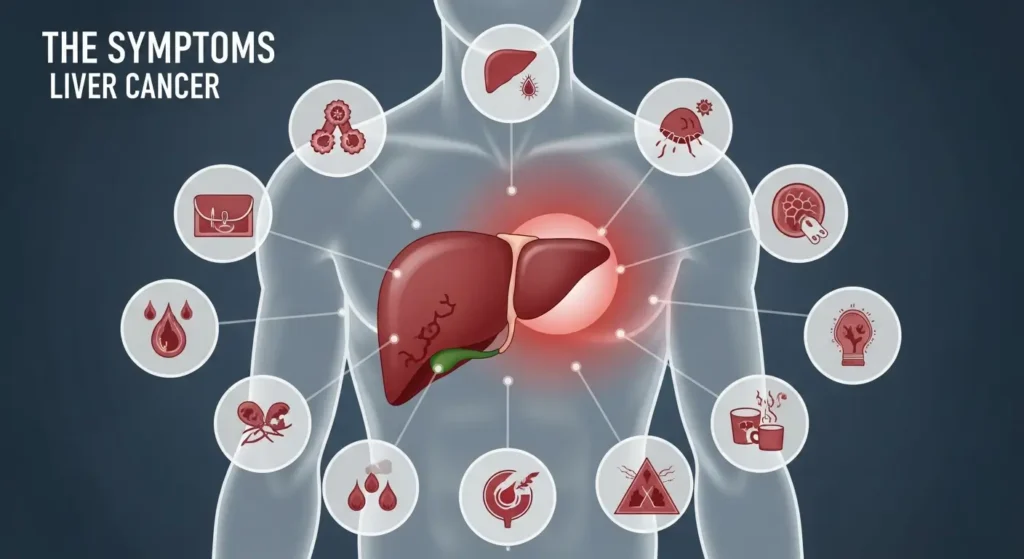
In its early stages, liver cancer often has no symptoms, which can make it difficult to detect. When symptoms do appear, they can be vague and easily mistaken for other, less serious conditions. As the cancer grows, the signs become more noticeable.
Common symptoms of liver cancer include:
- Unexplained weight loss: Losing a significant amount of weight without trying.
- Loss of appetite: Feeling full after eating only a small amount, or having no desire to eat at all.
- Pain in the upper right abdomen: A dull ache or feeling of fullness just below your right ribs.
- Nausea or vomiting: Feeling sick to your stomach.
- General weakness and fatigue: A deep, persistent tiredness that doesn’t get better with rest.
- Yellowing of the skin and eyes (jaundice): This happens when the liver can’t properly process bilirubin, a substance in the blood.
- Swelling in the abdomen (ascites): A buildup of fluid in the belly that can make it look bloated or swollen.
- Itchy skin: A persistent itchiness all over the body.
- Pale, chalky stools and dark urine: Signs that the bile duct may be blocked.
It’s important to note that these symptoms can vary depending on the stage of the cancer and the overall health of your liver.
What Causes Liver Cancer?
Liver cancer doesn’t just appear out of nowhere. It usually develops after the liver has been damaged over a long period. Certain risk factors greatly increase a person’s chance of developing the disease.
Chronic Hepatitis B or C Infection
Long-term infection with the hepatitis B virus (HBV) or hepatitis C virus (HCV) is the single biggest risk factor for liver cancer worldwide. These viruses cause chronic inflammation in the liver, which can lead to cirrhosis and, eventually, cancer.
Cirrhosis
Cirrhosis is severe scarring of the liver. This scar tissue replaces healthy liver tissue and prevents the liver from working properly. While long-term alcohol abuse is a well-known cause of cirrhosis, it can also develop from chronic hepatitis, fatty liver disease, and certain genetic conditions. Most people who develop liver cancer have some degree of cirrhosis.
Nonalcoholic Fatty Liver Disease (NAFLD)
NAFLD is a condition where excess fat builds up in the liver, even in people who drink little to no alcohol. It is becoming increasingly common and is often linked to obesity, type 2 diabetes, and high cholesterol. Over time, NAFLD can progress to a more serious form called nonalcoholic steatohepatitis (NASH), which can cause cirrhosis and liver cancer.
Excessive Alcohol Use
Drinking large amounts of alcohol over many years is very damaging to the liver. It is a leading cause of cirrhosis, which in turn significantly increases the risk of developing liver cancer.
Genetic and Environmental Factors
- Inherited Conditions: Certain genetic disorders, such as hemochromatosis (which causes the body to absorb too much iron) and Wilson’s disease, can damage the liver and increase cancer risk.
- Aflatoxins: These are cancer-causing substances produced by a type of mold that can grow on crops like corn and peanuts, particularly in hot, humid climates. Exposure to food contaminated with aflatoxins is a risk factor.
How Liver Cancer Is Diagnosed
If your doctor suspects you might have liver cancer based on your symptoms or risk factors, they will recommend several tests to get a clear picture of what’s going on.
- Medical History and Physical Exam: Your doctor will ask about your symptoms, risk factors, and family history. They will also perform a physical exam to check for swelling or tenderness in your abdomen and signs of jaundice.
- Blood Tests: Several blood tests can provide clues. Liver function tests check the health of your liver, while a test for alpha-fetoprotein (AFP), a protein often elevated in people with liver cancer, may be ordered.
- Imaging Scans: These tests create detailed pictures of your liver. Common scans include an ultrasound, CT scan, or MRI. They can show the size and location of any tumors.
- Biopsy: In some cases, a biopsy is needed to confirm the diagnosis. A doctor removes a small sample of liver tissue with a thin needle, which is then examined under a microscope to check for cancer cells.
If you have any concerning symptoms, especially if you have risk factors like chronic hepatitis or cirrhosis, seeing a doctor early is the most important step you can take.
Treatment Options for Liver Cancer
The treatment for liver cancer depends on several factors, including the stage of the cancer, the health of the rest of your liver, and your overall health.
Surgery
Surgery offers the best chance for a cure if the cancer is found early and the rest of the liver is healthy.
- Partial Hepatectomy: If the tumor is small and contained in one part of the liver, a surgeon may be able to remove that portion. The liver has a remarkable ability to regenerate, or grow back.
- Liver Transplant: If the cancer has not spread outside the liver but the liver is too damaged by cirrhosis for a partial hepatectomy, a transplant may be an option. This involves replacing the entire diseased liver with a healthy one from a donor.
Local Treatments (Ablation)
These treatments target and destroy cancer cells directly without major surgery.
- Radiofrequency Ablation (RFA): A needle-like probe is inserted into the tumor, and an electric current is used to heat and destroy the cancer cells.
- Cryoablation: This technique uses extreme cold to freeze and kill the cancer cells.
Radiation Therapy
Radiation therapy uses high-energy beams, like X-rays, to kill cancer cells or shrink tumors. It can be used if surgery is not an option or to relieve symptoms.
Targeted Therapy and Immunotherapy
These are newer, smarter types of cancer drugs.
- Targeted Therapy: These medications are designed to block specific signals that cancer cells need to grow and spread.
- Immunotherapy: These drugs work by boosting your body’s own immune system, helping it to recognize and attack the cancer cells more effectively.
Chemotherapy
Chemotherapy uses powerful drugs to kill cancer cells throughout the body. While it is not always the first choice for early liver cancer, it can be used to help control advanced stages of the disease.
Summary of Liver Cancer Treatments
| Treatment Type | Description | When It’s Used |
|---|---|---|
| Surgery | Removes the cancerous tissue or replaces the entire liver (transplant). | Best for early-stage cancer when the liver is still healthy enough. |
| Ablation | Destroys tumors directly using heat (RFA) or cold (cryoablation). | Used for small tumors when surgery is not possible. |
| Radiation | Uses focused, high-energy beams to kill cancer cells. | Used to shrink tumors or control symptoms if surgery isn’t an option. |
| Targeted Therapy | Drugs that block the specific pathways cancer cells use to grow. | Often used for more advanced liver cancer. |
| Immunotherapy | Boosts the body’s own immune system to fight the cancer. | An option for later stages or if the cancer comes back. |
Lifestyle Tips for Liver Health
While you can’t change your genetics, you can take steps to protect your liver and lower your risk of liver cancer.
- Avoid alcohol or drink only in moderation. If you have liver disease, it’s best to avoid alcohol completely.
- Eat a balanced diet. Focus on fruits, vegetables, lean proteins, and whole grains. Limit processed foods, sugar, and unhealthy fats.
- Get vaccinated for hepatitis B. The hepatitis B vaccine is safe and highly effective at preventing infection.
- Maintain a healthy weight. If you are overweight or have fatty liver disease, losing weight through diet and exercise can greatly improve your liver health.
- Be safe. Avoid behaviors that can lead to hepatitis C, such as sharing needles or getting tattoos or piercings in unsterile environments.
When to See a Doctor
It’s time to see a doctor if you notice any of the following, especially if they are persistent:
- Ongoing pain or discomfort in your upper right abdomen.
- Yellowing of your skin or eyes.
- Unexplained weight loss or persistent fatigue.
- If you have a family history of liver disease or a known risk factor like chronic hepatitis.
Conclusion
Hearing the words “liver cancer” is frightening, but it’s a journey no one has to walk alone. With incredible advances in detection and treatment, there is more hope than ever before. Early detection truly saves lives.
By understanding the risk factors, paying attention to your body’s signals, and making choices that support your liver health, you can significantly lower your risk and protect your well-being for years to come. If you have any concerns, don’t hesitate to speak with your doctor. Your liver works hard for you every day—taking care of it is one of the best things you can do for yourself.
FAQ: Your Questions About Liver Cancer
What is the first sign of liver cancer?
Often, there is no single first sign. However, one of the most common early symptoms is a dull pain or feeling of fullness in the upper right abdomen. Unexplained weight loss and loss of appetite are also common early indicators.
Can liver cancer be cured?
Yes, liver cancer can be cured, especially if it is caught in its early stages when surgery or a liver transplant is possible. This is why early detection is so critical.
How fast does liver cancer spread?
The speed at which liver cancer grows and spreads can vary greatly from person to person. It depends on the type of cancer and the overall health of the liver.
Who is most at risk for liver cancer?
People with chronic liver diseases are at the highest risk. This includes individuals with chronic hepatitis B or C, cirrhosis from any cause (including alcohol use and fatty liver disease), and certain genetic liver conditions.
Does liver cancer cause pain?
It can. As a tumor grows, it can cause pain in the upper right abdomen. It can also cause back pain or shoulder pain. However, in the early stages, it may not cause any pain at all.
How long can you live with liver cancer?
The outlook depends heavily on the stage at which the cancer is diagnosed and the treatment options available. When found very early, the survival rates are much higher. This is why awareness and early diagnosis are so important.
Disclaimer
The information on HealthHintz is provided for educational and informational purposes only and should not be considered medical advice. Always consult a qualified healthcare professional before making any medical or health-related decisions, starting a new treatment, or changing your existing health plan.