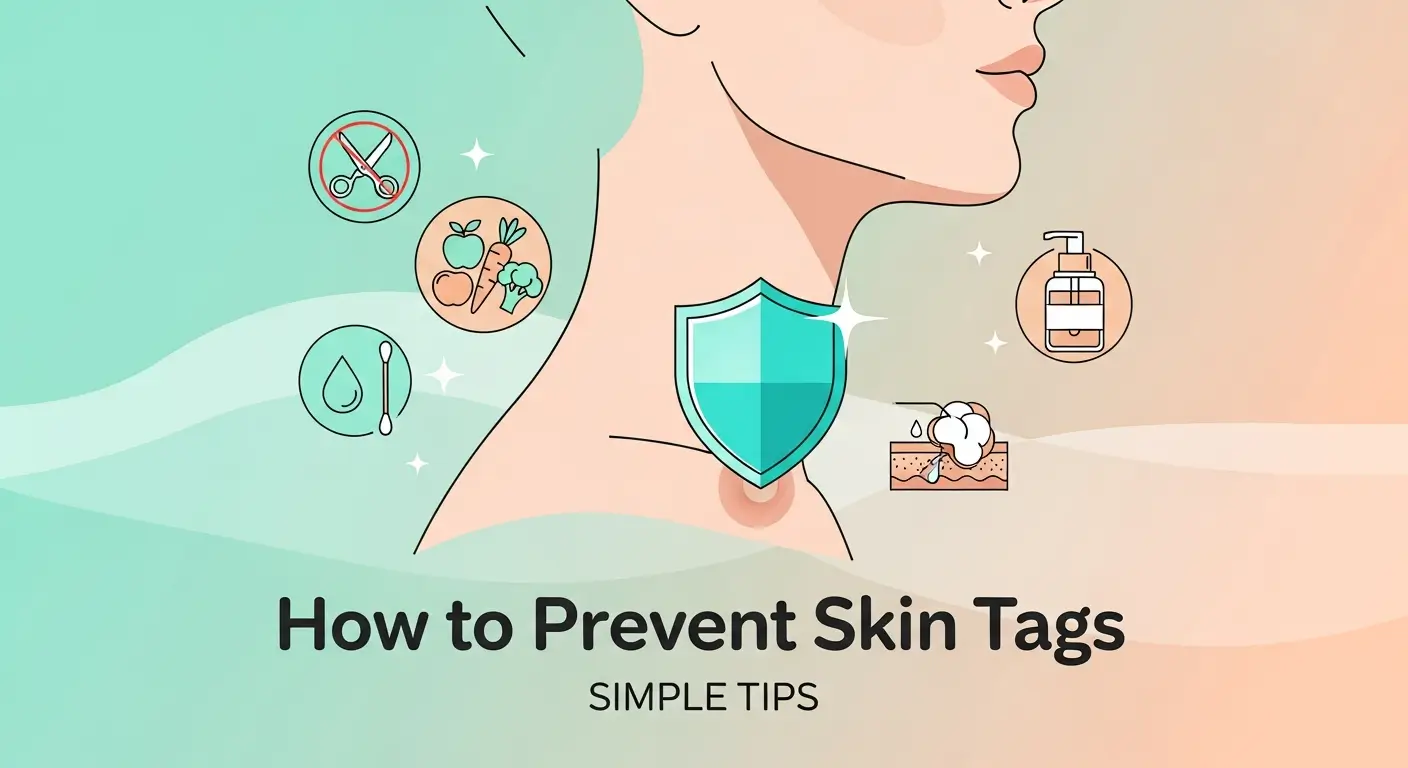
How to Prevent Skin Tags: Simple Tips
Skin tags are harmless, but they can be annoying—especially if they show up on your neck, underarms, or anywhere that’s visible. Many people feel frustrated when these small, soft bumps appear out of nowhere. The good news? You can take simple daily steps to help prevent skin tags from forming in the first place and keep your skin smooth and comfortable.
In this guide, we’ll explore what causes skin tags, why they happen, and how you can minimize your risk through healthy habits, gentle skincare, and lifestyle changes.
Table of Contents
What Are Skin Tags?
Skin tags, also known as acrochordons, are small, soft growths that appear on the skin’s surface. They often look like hanging bits of skin and are the same color as your skin or slightly darker.
They are not dangerous and do not turn into cancer, but they can be irritating if they snag on clothing, jewelry, or razors.
Skin tags are most common on body areas where skin rubs together or against clothing, such as:
- Neck
- Eyelids
- Underarms
- Under the breasts
- Groin or inner thighs
They’re extremely common, especially as we age—and while anyone can get them, they tend to appear more often in adults who are overweight, those with diabetes, and pregnant women.
Why Do Skin Tags Form?
Skin tags form when skin rubs or folds against itself, irritating the skin’s surface. Repeated friction makes the top layer of skin (epidermis) grow faster, forming a tiny soft bump connected by a thin stalk.
Common causes and risk factors include:
- Skin friction: Rubbing from tight clothing, skin folds, or jewelry.
- Weight gain or obesity: Increases skin folds and friction.
- High blood sugar or insulin resistance: Common in people with type 2 diabetes; may increase risk of skin tags.
- Genetics: Runs in families; if your parents had skin tags, you might be more prone too.
- Hormonal changes: Pregnancy and menopause can trigger new skin tags.
- Aging: Skin loses elasticity, making friction easier.
- Tight clothing or accessories: Belts, collars, or necklaces that rub frequently.
The good news is, even if you’re prone to skin tags, there are practical lifestyle habits that can help reduce irritation and keep your skin healthy.
How to Prevent Skin Tags: Simple Tips
Here are evidence-backed and dermatologist-approved ways to minimize your risk and prevent skin tags from forming.
Reduce Skin Friction
Friction is the top cause of skin tags, so decreasing skin-to-skin or fabric-to-skin rubbing is key.
- Wear soft, breathable fabrics such as cotton or bamboo.
- Choose loose-fitting clothes if you have skin folds or sensitive areas.
- Avoid tight jewelry, watchbands, or collars that cause constant rubbing around the neck or wrists.
- Apply a light moisturizer or powder between skin folds (like around thighs or under the breasts) to reduce friction.
Maintain a Healthy Weight
Extra weight can increase skin folds and friction, especially around the neck, underarms, and groin.
- Aim for gradual, steady weight loss through balanced eating and regular exercise.
- Focus on maintaining—not fluctuating—your weight, since rapid changes can stress the skin.
- A healthy body weight also helps manage blood sugar levels, which lowers your risk further.
Keep Skin Clean and Dry
Bacteria and moisture trapped in skin folds can add to irritation and friction.
- Gently clean areas prone to rubbing (like underarms or between thighs) with a mild, fragrance-free soap.
- Dry thoroughly with a clean towel—pat, don’t rub.
- Change out of sweaty clothes soon after exercising.
- If humidity or sweat are ongoing issues, try using a talc-free body powder in those areas.
Moisturize Wisely
Moisturizing helps maintain your skin barrier and elasticity, but too much greasy product can make irritation worse.
- Use lightweight, non-comedogenic moisturizers (they won’t clog pores).
- Look for ingredients like ceramides, aloe vera, or hyaluronic acid.
- Apply just enough to keep your skin comfortable—not slick or sticky.
- Avoid heavy oils or scented lotions on friction-prone spots.
Manage Blood Sugar Levels
Studies show that skin tags are slightly more common in people with insulin resistance or diabetes. Keeping blood sugar stable can help minimize risk.
| Foods That Help | Foods to Limit |
|---|---|
| Whole grains (brown rice, oats) | Sugary drinks and sodas |
| Leafy greens and vegetables | Processed snacks |
| Lean proteins (chicken, fish, tofu) | White bread and pastries |
| Nuts and seeds | Candy and sweets |
Tip: Eating balanced meals, exercising regularly, and limiting high-sugar foods can help your skin and overall health.
Avoid Rubbing from Accessories
Accessories like necklaces, watches, waistbands, and bra straps often irritate the same spot day after day.
- Remove or adjust accessories if you notice redness or irritation.
- Be extra cautious with sports straps or fitness trackers—keep them clean and dry.
- When possible, switch up your clothing and jewelry styles to reduce continuous rubbing.
Don’t Try to Cut Skin Tags at Home
It might be tempting to remove a skin tag yourself, but doing so can lead to infection, bleeding, and scarring.
- Avoid using scissors, string, or online “home remedies.”
- If you want to have them removed, a dermatologist can do it safely and quickly.
Home Care Tips to Protect Skin
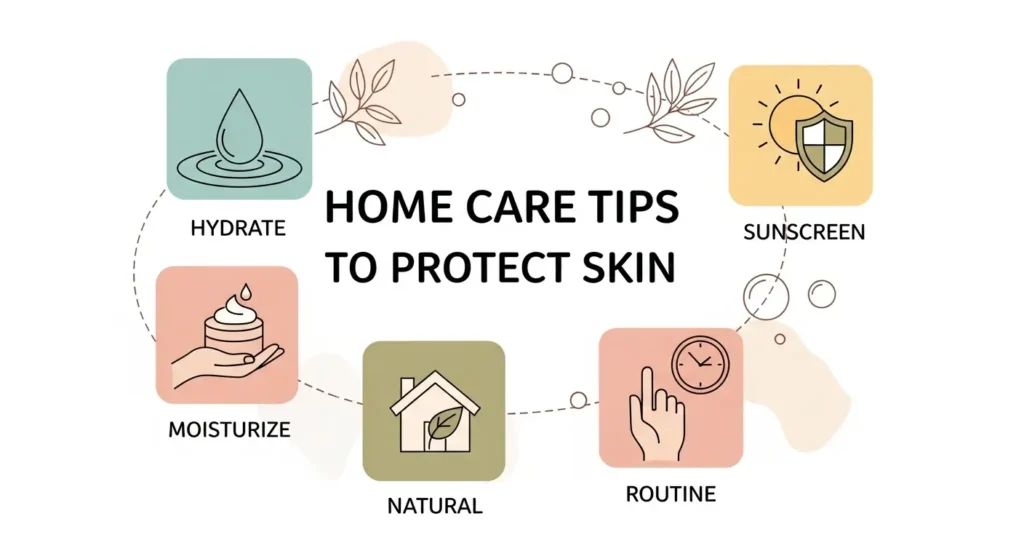
Everyday skincare habits make a big difference in preventing skin tags and other skin irritations. Here are a few gentle ways to take care of your skin:
- Use mild cleansers instead of harsh soaps.
- Avoid strong fragrances, dyes, or alcohol-based products on sensitive skin.
- Trim or shave body hair carefully to avoid cuts or scrapes.
- Choose breathable fabrics like cotton and avoid synthetic materials that trap sweat.
- Keep your bathroom and towels clean—bacteria and excess moisture can irritate the skin.
- Maintain good hygiene after workouts.
These small habits support your skin barrier, making it stronger and less likely to develop issues like skin tags.
When to See a Doctor
Most skin tags are harmless, but in some cases, you may want or need to visit a professional. See a doctor if you notice:
- A skin tag becomes painful, inflamed, or irritated.
- Rapid growth, color change, or bleeding.
- Infection after scratching or accidently tearing one off.
- You want them removed for cosmetic reasons.
A dermatologist can diagnose if it truly is a skin tag (and not another growth) and recommend the safest treatment option for you.
Treatment Options for Skin Tags
Quick Medical Removal
Doctors can remove skin tags safely during a short, in-office procedure. These include:
- Cryotherapy (freezing): Using liquid nitrogen to freeze off the skin tag.
- Cauterization (burning): Removing the tag with controlled heat.
- Surgical cutting: Snipping with sterile tools under local anesthesia.
- Laser removal: Using focused light energy to target the skin tag.
These methods are fast and usually leave minimal or no marks behind once healed.
Are Natural Remedies Safe?
Many people use home remedies like apple cider vinegar, tea tree oil, or castor oil for skin tag removal. However, these can sometimes cause irritation, redness, or chemical burns—especially on sensitive areas such as neck or eyelids.
It’s safer to speak with a dermatologist before trying home remedies. Your doctor can recommend products or treatments that are proven to be safe and effective.
Conclusion
Skin tags may be harmless, but they can be frustrating and affect your confidence. Fortunately, small daily habits can make a big difference in prevention. By reducing skin friction, maintaining a healthy weight, eating well, and caring for your skin gently, you can greatly prevent skin tags from forming.
And remember, if you already have them, professional treatments are quick, safe, and effective. With consistency and self-care, you can enjoy smoother, healthier skin—free from irritation or worry.
FAQ: How to Prevent Skin Tags
Can you prevent skin tags completely?
You can’t always stop them entirely, but you can lower your risk with good skincare, maintaining a healthy weight, and reducing friction. Genetics and aging also play a role.
Are skin tags linked to diabetes?
Yes. Skin tags are more common in people with insulin resistance and elevated blood sugar. If you suddenly get many, talk to a doctor.
Do all skin tags need removal?
No. They are harmless and only need removal if irritated or for aesthetic reasons.
Do home remedies really work?
Some people report results, but science doesn’t strongly support most DIY treatments. Patch-test first and consult your doctor.
Can skin tags grow back after removal?
The removed tag usually won’t return, but new ones may form if friction or insulin resistance continues.
Is it safe to remove skin tags yourself?
No. Cutting or tying them at home risks bleeding, scarring, and infection. Professional removal is safest.
Disclaimer
The information on HealthHintz is provided for educational and informational purposes only and should not be considered medical advice. Always consult a qualified healthcare professional before making any medical or health-related decisions, starting a new treatment, or changing your existing health plan.