Cold Shower vs Hot Shower: Which Is Better for Your Health?
The great cold shower vs hot shower debate is more than just a matter of preference; it’s a daily choice that can impact your mood, energy, and health. Do you crave the sharp, electric jolt of cold water that shocks your system awake, or the comforting, steamy embrace of a hot bath that melts away the day’s stress? Most of us are firmly in one camp or the other, swearing by the invigorating power of cold or the soothing calm of heat.
But is one truly better than the other? Does that icy blast really boost your immune system? Can a hot soak damage your skin? In this guide, we’ll dive deep into the science behind water temperature to uncover the real benefits, risks, and best practices for your body, hair, and skin. It’s time to settle the score in the cold shower vs hot shower showdown and learn how to make your daily ritual work for you.
Table of Contents
Cold vs. Hot Showers: The Science Behind Water Temperature
Before we pick a side in the cold shower vs hot shower debate, it helps to understand what’s happening inside your body when it’s exposed to different water temperatures. It all comes down to how your circulatory system reacts.
Water temperature sends powerful signals to your body, influencing everything from blood flow and muscle tension to your mood and energy levels. Hot water is a vasodilator, meaning it causes your blood vessels to expand, increasing blood flow to your skin and muscles. This process promotes relaxation and can help soothe aches. Cold water, on the other hand, is a vasoconstrictor. It causes your blood vessels to narrow, redirecting blood flow away from the surface and toward your vital organs. This triggers a cascade of physiological responses that can boost alertness and reduce inflammation.
Cold Shower Benefits
Stepping into a cold shower might seem like a form of self-punishment, but proponents swear by its revitalizing effects. This practice, also known as cold hydrotherapy, has been used for centuries to tone the body and sharpen the mind.
How a Cold Shower Affects Your Body
When cold water hits your skin, it triggers a controlled shock response. Your body releases adrenaline, the “fight-or-flight” hormone, which dramatically increases your heart rate and oxygen intake, leaving you feeling instantly alert and energized. The vasoconstriction process also helps flush lactic acid from your muscles and reduces swelling, making it a favorite among athletes for post-workout recovery.
- Boosts alertness and mental clarity: The initial shock of cold water increases your oxygen intake and heart rate, flooding your brain with blood and leaving you feeling focused and ready to tackle the day.
- Improves circulation after workouts: As your body works to warm itself back up after the cold exposure, blood rushes back to your skin and extremities, improving overall circulation.
- Reduces muscle soreness and inflammation: Cold water constricts blood vessels, which can help reduce the swelling and inflammation that cause delayed onset muscle soreness (DOMS) after intense exercise.
- Strengthens skin barrier and pores: Cold water helps tighten your pores, which can prevent them from getting clogged with dirt and oil. It also doesn’t strip your skin of its natural oils, helping to fortify its protective barrier.
- May support immunity over time: Some studies suggest that regular exposure to cold water can stimulate the production of white blood cells, which are crucial for fighting off infections.
When to Avoid Cold Showers
While beneficial for many, cold water immersion isn’t for everyone. The shock to the system can be dangerous for individuals with certain pre-existing conditions. You should avoid cold showers if you have:
- Heart or respiratory issues, as the sudden change in heart rate and blood pressure can be risky.
- A cold, flu, or fever, as your body needs to conserve energy to fight the illness.
- Raynaud’s disease or a high sensitivity to cold temperatures.
The Benefits of a Hot Shower
For many, a hot shower or bath is the ultimate form of self-care. The feeling of warm water blanketing your body is deeply relaxing, signaling to your mind and muscles that it’s time to unwind.
How a Hot Shower Helps the Body
Hot water promotes vasodilation, widening your blood vessels and increasing blood flow to your muscles and tissues. This enhanced circulation helps deliver oxygen and nutrients, which can ease pain and stiffness. The warmth also has a sedative effect on the nervous system, calming anxiety and preparing your body for a restful night’s sleep.
- Relieves muscle and joint pain: The increased blood flow from a hot shower can help relax tight muscles and soothe aching joints, providing relief from conditions like arthritis or general stiffness.
- Promotes better sleep: Taking a warm shower about 90 minutes before bed can help lower your core body temperature after you get out, which signals to your body that it’s time for sleep.
- Opens pores for deep cleansing: The steam and heat from a hot shower can open up your pores, making it easier to wash away dirt, oil, and bacteria that accumulate throughout the day.
- Helps reduce stress: The sensation of warmth is inherently comforting and can help lower levels of the stress hormone cortisol, promoting a sense of calm and well-being.
- Soothes cramps or stiffness: The muscle-relaxing properties of hot water make it an excellent natural remedy for menstrual cramps, neck pain, or back stiffness.
When to Limit Hot Showers
Despite its soothing qualities, hot water isn’t always your friend, especially if you have sensitive skin or other health concerns. It’s best to limit or avoid very hot showers if you experience:
- Dry, itchy, or irritated skin, as hot water can strip the skin of its natural, protective oils.
- Flare-ups of skin conditions like rosacea or eczema, which can be exacerbated by heat.
- Dizziness or lightheadedness in the heat, or if you have low blood pressure.
Cold Shower vs. Hot Shower: A Health Comparison
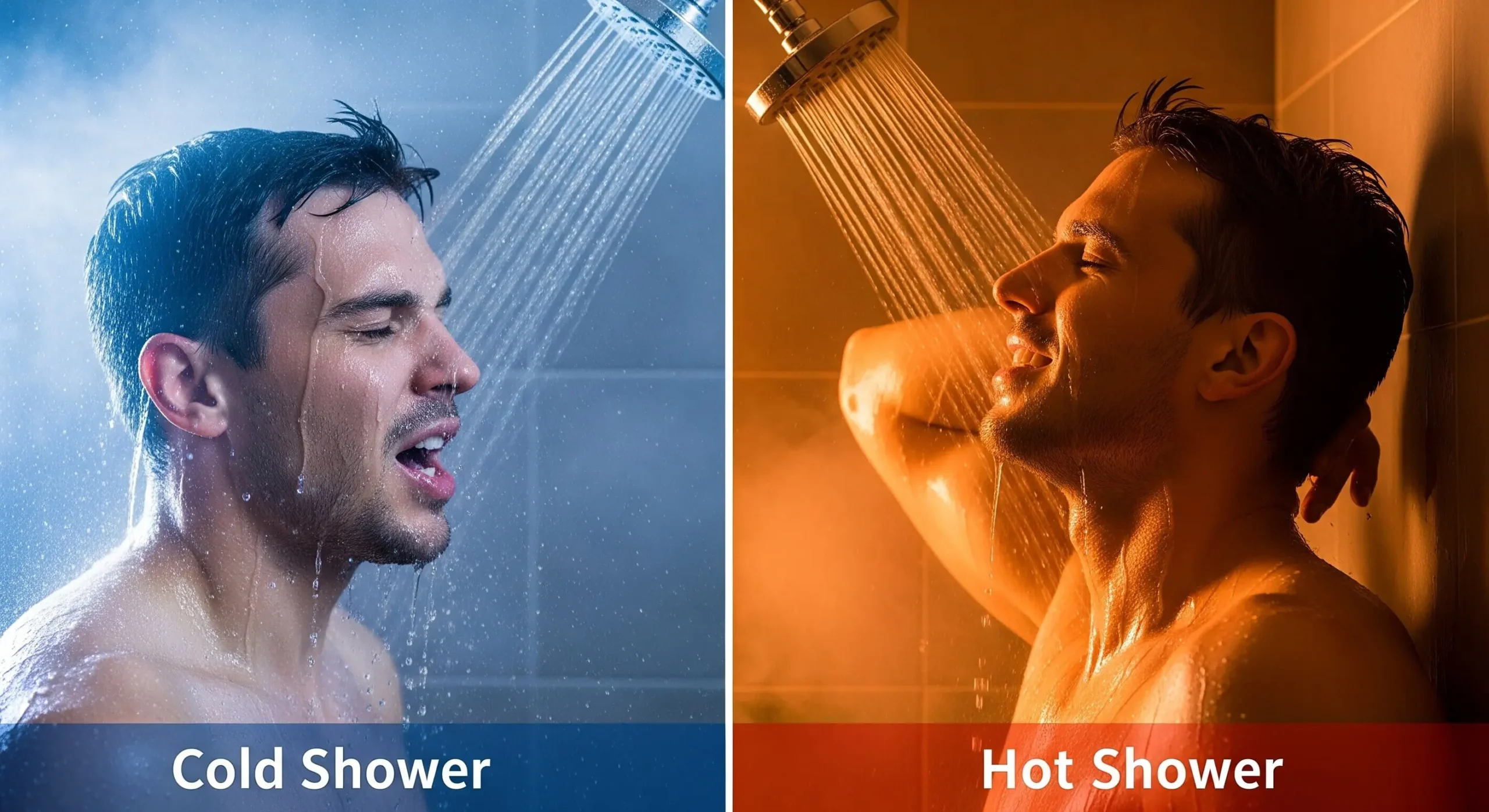
So, which one wins the battle? The truth is, there’s no single champion in the cold shower vs hot shower debate. The “healthier” choice depends entirely on what your body needs at a given moment. Here’s a side-by-side look at how they stack up.
| Aspect | Cold Shower | Hot Shower |
|---|---|---|
| Circulation | Stimulates blood flow post-shower to warm the body. | Promotes immediate blood vessel relaxation. |
| Mood | Boosts energy, alertness, and focus. | Reduces stress and promotes calm and sleep. |
| Skin | Tightens pores and reduces excess oil. | Opens pores for deep cleansing but may dry skin out. |
| Muscles | Reduces inflammation and post-workout soreness. | Relaxes tightness and soothes chronic soreness. |
| Immune Support | May stimulate an immune response over time. | Can help the body detox through sweating. |
| Ideal Time | In the morning or after intense exercise. | In the evening or before bed to unwind. |
Both cold and hot showers offer proven health benefits. The right choice isn’t about which one is universally superior, but about aligning the temperature with your personal goals, skin sensitivity, and how you feel on any given day.
Cold or Hot Shower: Which One Should You Choose?

Making the right choice between a cold or hot shower is about listening to your body and understanding your needs.
Use cold showers when you need an energy boost, mental clarity, or to recover after a tough workout. A quick, cold rinse is a perfect way to start your morning or cool down after the gym.
Use hot showers to relax tense muscles, soothe aches and pains, and unwind before bed. A long, warm soak is a fantastic way to de-stress and prepare your body for a restorative night’s sleep.
Here is a quick reference guide:
- Morning refresh → Cold water
- Night relaxation → Hot water
- Stress relief → Warm water, perhaps alternating with cool rinses
- Post-gym recovery → Cold rinse
A great tip for everyday balance: Try ending your warm shower with a 30-second blast of cool water. This simple trick helps seal moisture into your skin and hair, closes your pores, and gives you a gentle energy boost without the full shock of a completely cold shower.
Are Cold or Hot Showers Better for Hair and Skin?
When it comes to your beauty routine, the cold shower vs hot shower question is especially important. Water temperature plays a surprisingly significant role.
Skin Health: The Impact of Hot vs. Cold Water
Cold and hot water have opposite effects on your skin. Hot water and steam open up your pores, which is great for a deep cleanse. However, very hot water can also strip your skin of sebum, the natural oil that keeps it hydrated and protected. This can lead to dryness, irritation, and even trigger eczema flare-ups.
Cold water, in contrast, helps tighten pores and constricts blood vessels, which can reduce redness and puffiness. Because it doesn’t dissolve your natural oils, it helps maintain your skin’s moisture barrier. The best approach is often a combination: start with warm water to cleanse your face and body, then finish with a cool rinse to close your pores and lock in moisture.
Hair Health: Using Hot and Cold Water for Shine
The same principles apply to your hair. Hot water is effective at opening the hair cuticle, which allows your shampoo and conditioner to penetrate more deeply and remove dirt and product buildup. However, if the water is too hot, it can strip your hair of its natural oils, leaving it feeling dry, frizzy, and brittle.
Cold water does the opposite. It seals the hair cuticle, which helps lock in moisture from your conditioner. This results in smoother, shinier, and less frizzy hair. For the best results, wash and condition your hair with warm water, then do a final rinse with the coldest water you can tolerate to seal the cuticle and boost shine.
Contrast Showers: How to Get the Best of Hot and Cold
If you can’t decide in the cold shower vs hot shower dilemma, why not try both? Contrast showers, or contrast hydrotherapy, involve alternating between hot and cold water in a single session. This technique is used by athletes and wellness experts to maximize the benefits of both temperatures.
Here is a simple guide to try it yourself:
- Begin with warm water for 2–3 minutes to relax your muscles and open your blood vessels.
- Switch to cold water for 30–60 seconds. This will constrict your vessels and create a “pumping” action.
- Repeat this cycle 2–3 times, always ending with a cold rinse.
The benefits of contrast showers include stimulating circulation and recovery, boosting energy and mood, and enhancing skin tone and resilience by combining the deep cleansing of heat with the pore-tightening effects of cold.
FAQs: Cold Shower vs. Hot Shower
Is a cold shower better for your skin?
For many people, yes. A cold shower helps tighten pores, reduce puffiness, and preserve the natural oils that keep your skin hydrated. A hot shower can strip these oils, leading to dryness and irritation.
Does a hot shower cause dry skin or hair damage?
It can. Very hot water strips away the natural oils (sebum) from your skin and hair, which can lead to dryness, itchiness, and frizz. It’s best to use lukewarm water for cleansing and finish with a cool rinse.
For muscle recovery, is a cold shower or hot shower better?
A cold shower is generally better for immediate post-workout recovery. The cold helps reduce inflammation, swelling, and muscle soreness. A hot shower is better for soothing chronic muscle tension and stiffness not related to a recent injury.
Can cold showers improve immunity or mood?
Yes, they can. The shock of a cold shower can boost alertness and trigger the release of endorphins, which can improve your mood. Some research also suggests that regular cold exposure can stimulate the production of immune cells over time.
Is it okay to switch between hot and cold water in one shower?
Absolutely! This practice is known as a contrast shower and is highly recommended. Alternating between hot and cold water helps boost circulation, reduce inflammation, and energize your body.
Which is best for stress relief: a cold or hot shower?
A hot or warm shower is typically best for stress relief. The warmth helps relax your muscles, calm your nervous system, and lower cortisol levels, promoting a deep sense of relaxation and preparing you for sleep.
Cold Shower vs. Hot Shower: The Final Verdict
The debate between a cold shower vs a hot shower isn’t about finding a single winner. It’s about understanding that your faucet holds the power to both energize and relax you. Cold water is a jolt of vitality—perfect for sharpening your mind and recovering your body. Hot water is a gentle embrace—ideal for melting away stress and soothing sore muscles. By learning to use both, you can tailor your daily ritual to meet your unique needs.
Disclaimer
The information provided here is for educational and informational purposes only and should not be considered medical advice. Always consult a qualified healthcare professional before making any medical or health-related decisions, starting a new treatment, or changing your existing health plan.