Intermittent Fasting: Benefits, Risks, and How to Start Safely
Thinking about a new way to manage your weight and health? Intermittent fasting is a popular choice, but is it for you?
Many people talk about IF‘s benefits, like weight loss and better metabolic health. Studies suggest it can help manage weight and even prevent or reverse some diseases.
Before trying intermittent fasting, it’s key to know the good and bad sides. Learning how to safely add IF to your life can help you decide if it’s right for you.
Table of Contents
What Is Intermittent Fasting?
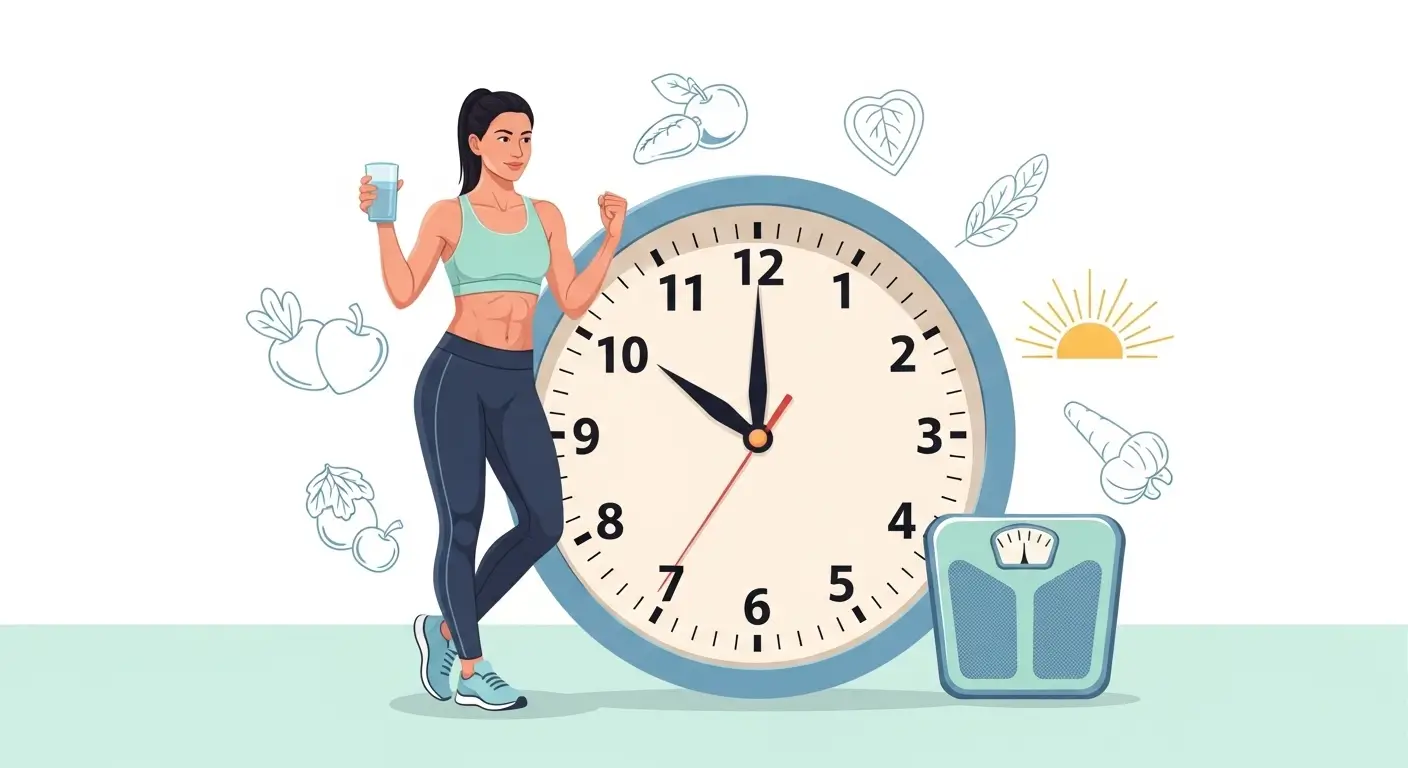
Intermittent fasting is not about what you eat, but when. It involves fasting or eating less for certain times, then eating freely. This method can help with weight loss and better health.
It’s more than a diet; it’s a lifestyle change. You can adjust it to fit your life. Fasting can improve your health and wellbeing.
The Science Behind Fasting
Fasting changes your body in many ways. First, it uses stored sugar for energy. Then, it starts burning fat, which can help you lose weight. Fasting also improves insulin sensitivity and reduces inflammation.
| Metabolic Changes | Benefits |
|---|---|
| Switch from glucose to fat burning | Weight Loss |
| Improved insulin sensitivity | Reduced risk of diabetes |
| Reduced inflammation | Improved overall health |
How It Differs from Regular Diets
Intermittent fasting focuses on when you eat, not what. You can eat anything you want during your eating times. This makes it easier than diets that limit certain foods. Popular plans include the 16/8 and 5:2 diets.
Knowing how intermittent fasting works helps you decide if it’s right for you. It’s a choice for better health and wellness.
Understanding Intermittent Fasting Methods
Intermittent fasting has many methods, each with its own schedule and benefits. You can pick one that fits your lifestyle, preferences, and goals.
16/8 Method
The 16/8 method means fasting for 16 hours and eating in an 8-hour window. It’s popular because it’s easy to follow. For example, skip breakfast and eat from noon to 8 PM. This method is great for beginners because it’s flexible.
5:2 Diet
The 5:2 diet lets you eat normally for five days and limits calories to 500-600 on two days. This method can be challenging, but it’s good for losing weight. Stay hydrated on fasting days and eat nutrient-dense foods on non-fasting days.
Eat-Stop-Eat
Eat-Stop-Eat means fasting for 24 hours once or twice a week. For example, stop eating at 8 PM on Monday and wait until 8 PM on Tuesday. This method helps improve insulin sensitivity and aids in weight loss.
Alternate-Day Fasting
Alternate-day fasting alternates between days of normal eating and days of fasting. On fasting days, you can eat nothing or limit calories to 500.
“Alternate-day fasting can be an effective way to lose weight and improve metabolic health.”
| Method | Description | Benefits |
|---|---|---|
| 16/8 | Fast for 16 hours, eat within 8 hours | Easy to follow, flexible |
| 5:2 Diet | Eat normally for 5 days, restrict calories for 2 days | Effective for weight loss |
| Eat-Stop-Eat | Fast for 24 hours once or twice a week | Improves insulin sensitivity |
| Alternate-Day Fasting | Alternate between normal eating and fasting days | Weight loss, improved metabolic health |
By understanding these methods, you can pick the best intermittent fasting schedule for your lifestyle and goals.
The Health Benefits of Intermittent Fasting
Research shows that intermittent fasting offers many benefits. It helps with fat burning and weight loss, and improves overall health. It’s not just for losing weight; it boosts your overall well-being.
Weight Loss and Fat Burning
One key benefit is weight loss and fat burning. By eating less, you take in fewer calories. This can help you lose weight. It also makes your body burn fat instead of glucose.
Improved Metabolic Health
Intermittent fasting also improves metabolic health. It makes your body more sensitive to insulin, lowers blood pressure, and cholesterol. These changes lower your risk of diabetes and heart disease. It gives your body a break from digestion, focusing on other important tasks.
Enhanced Brain Function
It’s good for your brain too. Research shows it can enhance brain function and even help grow new brain cells. The increase in BDNF during fasting improves thinking and lowers disease risk.
Cellular Repair and Longevity
It also starts autophagy, where your body cleans out damaged cells and proteins. This cellular repair is key for health and longevity. Adding intermittent fasting to your life supports your body’s natural repair.
In summary, intermittent fasting offers many health benefits. It helps with weight loss, improves metabolic health, boosts brain function, and supports cellular repair. Knowing these benefits can help you decide if it’s right for you.
Weight Loss Results You Can Expect
When you start intermittent fasting, you’ll likely see weight loss. Studies show it can lead to weight loss results, mainly in the first weeks.
Short-Term Results
In the short term, you might lose weight fast. This is because your insulin levels go down and your body burns more fat. Here are some benefits:
- Reduced body fat percentage
- Improved metabolic health
- Increased human growth hormone (HGH) production
Most people lose 1-2 pounds per week in the first few weeks.
Long-Term Sustainability
To keep losing weight over time, eat well during your eating windows and drink plenty of water. Here are some tips:
- Eat nutrient-dense foods to support overall health.
- Monitor your calorie intake to avoid overeating.
- Stay consistent with your fasting schedule.
By combining intermittent fasting with a healthy lifestyle, you can achieve sustainable weight loss and better health.
Potential Risks and Side Effects
Intermittent fasting can help with weight loss, but it’s important to know the risks and side effects. Knowing these can help you stay safe while fasting.
Common Side Effects
Some people might feel headaches, dizziness, or get tired when starting to fast. This can happen if you don’t drink enough water or get enough salts. Drinking plenty of water and adjusting your fasting times can help.
Long-Term Health Concerns
Most people find intermittent fasting safe, but there are some long-term risks. These include not getting enough nutrients or problems with reproductive health. Watching your health and talking to a doctor can help spot issues early.
| Potential Risk | Mitigation Strategy |
|---|---|
| Headaches and Dizziness | Stay hydrated, consider electrolyte supplements |
| Nutrient Deficiencies | Ensure balanced diet during eating windows |
| Reproductive Health Issues | Monitor health, consult healthcare provider |
When to Stop Fasting Immediately
If you feel very tired, faint, or get very dehydrated, stop fasting right away. It’s important to listen to your body and know your limits to safely fast.
How to Start Intermittent Fasting Safely

Before starting intermittent fasting, it’s important to know how to do it safely. First, talk to a healthcare professional, even if you’re healthy. They can give you the okay to start. Then, you can look into different fasting methods.
Choosing the Right Method for Your Lifestyle
It’s important to pick a fasting method that fits your life. Think about your daily routine, what you like to eat, and your health goals. For example, the 16/8 method might work for those who skip breakfast until noon. The 5:2 diet might be better for those who don’t want to skip meals every day.
Gradually Adjusting Your Eating Window
Start by slowly changing when you eat. Try eating breakfast a bit later or dinner earlier. As you get used to it, you can make your eating window smaller. This slow change helps you avoid feeling hungry or tired.
What to Eat During Feeding Windows
When you’re eating, choose foods that are good for you. Eat vegetables, lean proteins, and whole grains. Don’t eat too much or choose unhealthy foods. Balanced meals with protein, healthy fats, and carbs will keep you full. Also, drink lots of water to stay hydrated.
By picking the right method, adjusting your eating slowly, and eating well, you can successfully add intermittent fasting to your life. Remember, the most important thing is to keep it up and listen to your body.
What to Drink During Fasting Periods
It’s important to stay hydrated when fasting. But, what can you drink? You should pick drinks that don’t break your fast or add extra calories.
Acceptable Beverages
You can drink water and other zero-calorie drinks during fasting. Black coffee and unsweetened tea are great options. They help keep you hydrated and might even reduce hunger.
Here are some drinks you can have during fasting:
- Water
- Black coffee
- Unsweetened tea
- Seltzer water
- Zero-calorie electrolyte drinks
| Beverage | Calorie Content | Safe During Fasting |
|---|---|---|
| Water | 0 calories | Yes |
| Black Coffee | 0 calories | Yes |
| Unsweetened Tea | 0 calories | Yes |
| Soda | Varies | No |
| Juice | Varies | No |
Drinks That Break Your Fast
It’s also key to know which drinks to avoid. Any drink with calories can end your fast and mess up your fasting state.
Avoid sugary drinks like soda, juice, and sweetened coffee or tea. Even milk or creamer in your coffee can break your fast because of calories.
By picking the right drinks, you can stay hydrated and keep your fast intact. Stick to water and zero-calorie drinks for the best fasting results.
Combining Intermittent Fasting with Exercise

Intermittent fasting and exercise together can boost your health. Exercise is vital for a healthy life. Adding it to fasting can help you lose weight, improve your metabolism, and feel better overall.
Optimal Workout Timing
When you work out affects your fasting plan. Many find exercising during fasting boosts fat burning. Morning workouts can start your day right. But, listen to your body; if you feel weak, work out when you eat.
Types of Exercise That Work Best
Cardio, strength training, and flexibility workouts are great for fitness. High-Intensity Interval Training (HIIT) is best during fasting for fat burning and heart health. Strength training can be done when you eat, based on your energy.
Nutrition Considerations for Active People
Good nutrition is key when you exercise and fast. Eat nutrient-dense foods like proteins, healthy fats, and carbs during your eating times. Drinking enough water is also important, before, during, and after workouts. It helps keep you hydrated and aids in recovery.
Real People, Real Results: Intermittent Fasting Success Stories
Many people have seen big changes with intermittent fasting. Their stories show how it can improve your life.
Transformation Stories
Countless individuals have lost weight and felt better with intermittent fasting. Sarah, a 35-year-old mom, lost 20 pounds in three months. She followed the 16/8 method. Her energy levels increased, and she felt more focused all day.
Lessons Learned from Long-Term Fasters
Those who fast long-term share important tips. One key is to stay hydrated when fasting. Also, it’s vital to listen to your body and adjust your fasting plan as needed.
Looking at these success stories and tips can help you understand how intermittent fasting might benefit you.
Common Mistakes to Avoid
When you start intermittent fasting, knowing common mistakes is key. These mistakes can slow down your progress. Being aware of them helps you move forward smoothly.
Overeating During Feeding Windows
One big mistake is eating too much during your eating times. It’s important to eat balanced meals. Choose foods rich in nutrients like veggies, lean meats, and whole grains. This keeps your calorie count in check.
Not Staying Hydrated
Another mistake is not drinking enough water. Drinking water is essential during fasting. Drink at least 8 cups (64 ounces) of water daily. You can also have unsweetened tea or black coffee.
Giving Up Too Soon
Quitting too early is a common error. It stops you from seeing the benefits of fasting. Stay patient and keep going. Tracking your progress can help keep you motivated.
| Common Mistake | Tip to Avoid |
|---|---|
| Overeating | Eat nutrient-dense foods |
| Not Staying Hydrated | Drink at least 8 cups of water a day |
| Giving Up Too Soon | Be patient and track your progress |
Knowing these mistakes and following these tips can improve your fasting experience. It helps you reach your health goals more effectively.
“The key to success with intermittent fasting is not just about restricting your eating window, but also about making healthy choices during your feeding times.”
Conclusion: Is Intermittent Fasting Right for You?
Intermittent fasting can be a great way to boost your health and wellbeing. It offers different methods and benefits, but also has some risks. Knowing these can help you decide if it’s right for you.
Think about your health goals and lifestyle. If you want to lose weight or improve your brain function, it might work for you. But, it’s important to know the risks, like if you have health conditions.
In short, intermittent fasting isn’t for everyone. Weighing the good and bad, and thinking about your own situation, can help you decide. Always talk to a doctor before starting any new diet or fasting plan.
Intermittent Fasting for Beginners — FAQs
Find answers to the most common questions about intermittent fasting, including how to start, what to eat, and how to make it work for you.
Frequently Asked Questions about Intermittent Fasting
The 16/8 method is ideal for beginners. You fast for 16 hours and eat during an 8-hour window. It’s simple, flexible, and easy to maintain long-term.
Yes, many people lose weight through intermittent fasting. It helps reduce calorie intake and supports a healthier metabolism, which promotes fat loss.
Yes, you can have black coffee or unsweetened tea during fasting. They are low in calories and won’t break your fast. Avoid sugar, cream, or milk.
Drink plenty of water throughout the day. Unsweetened tea or black coffee can also help keep you hydrated and alert during fasting hours.
Yes, exercising while fasting is safe for most people. Light to moderate workouts can enhance fat burning. Listen to your body and stay hydrated.
Common side effects include hunger, tiredness, headaches, or irritability—especially in the first week. Staying hydrated and easing into fasting can reduce them.
Intermittent fasting isn’t for everyone. Those with diabetes, eating disorders, or certain medical conditions should talk to a doctor before starting.
Results vary, but most people notice changes in weight and energy within 2–4 weeks, depending on consistency and food choices during eating windows.
No, you should still focus on balanced meals with lean proteins, whole grains, fruits, and vegetables. Avoid overeating or relying on processed foods.
Stick to your fasting plan consistently, make nutritious food choices, and stay active. Drink plenty of water and get enough rest to maintain results.