
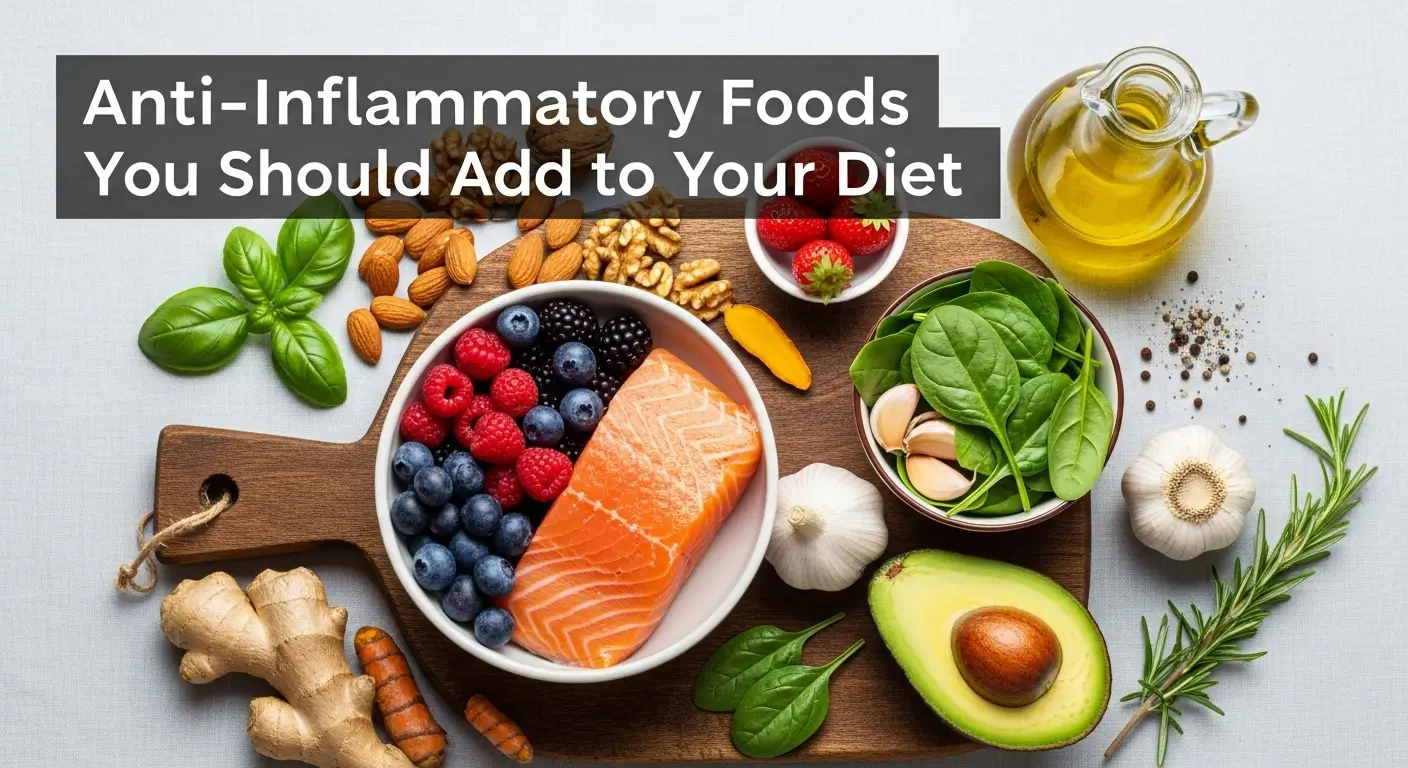
Anti-Inflammatory Foods You Should Add to Your Diet
That feeling of waking up tired, even after a full night’s sleep. The persistent joint aches that have become your new normal. The brain fog that makes it hard to focus, or the frustrating, low-grade bloating that never seems to go away. If any of this sounds familiar, you’re not alone. Millions of people walk around feeling just plain “off,” often attributing it to stress or aging. But what if the root cause is something silently happening inside your body—and what if the solution is sitting right in your kitchen?
That hidden culprit is often chronic inflammation. While we may not feel it directly, our dietary choices can either fuel this internal fire or help extinguish it. This article will show you how simple, everyday anti-inflammatory foods can naturally calm your system, boost your energy, and support your long-term health, one delicious bite at a time.
Table of Contents
Understanding Inflammation—Friend and Foe
Before we can fight inflammation, we need to understand what it is. In simple terms, inflammation is your body’s natural defense mechanism. When you get a cut or catch a virus, your immune system triggers an inflammatory response, sending white blood cells to the area to fight off invaders and begin the healing process. This is called acute inflammation—it’s short-term, targeted, and essential for survival. It’s your body’s internal firefighter crew, rushing to put out a fire.
The problem arises when the alarm bells never turn off. Chronic inflammation is when this response lingers, smoldering at a low level throughout your body. Instead of healing, it starts to damage healthy cells, tissues, and organs. Common causes of this persistent internal stress include:
- A diet high in processed foods and refined sugars
- Chronic stress and poor sleep
- A sedentary lifestyle
- Environmental toxins
Unlike acute inflammation, you might not see chronic inflammation, but you can certainly feel its effects over time. The good news is that a balanced, healthy diet is one of the most powerful tools you have to reduce chronic inflammation and restore balance to your body.
Why an Anti-Inflammatory Diet Matters
Adopting an inflammation diet isn’t about restriction; it’s about abundance. It’s about filling your plate with vibrant, nutrient-dense foods that work with your body, not against it. The benefits extend far beyond just reducing aches and pains. A consistent anti-inflammatory eating pattern can lead to profound improvements in your overall well-being.
Committing to eating more anti-inflammatory foods can:
- Support heart health by lowering blood pressure and improving cholesterol levels.
- Improve digestion and gut health by feeding beneficial gut bacteria.
- Boost your immune system, making you more resilient to infections.
- Promote clearer skin by reducing the internal triggers for conditions like acne and eczema.
- Increase energy levels and improve mental clarity.
So, what does an anti-inflammatory diet look like? It’s refreshingly simple and focuses on whole, unprocessed foods.
- A variety of colorful, plant-based foods
- Healthy fats from sources like fish, nuts, and olive oil
- Produce rich in powerful antioxidants
- Spices and herbs with natural healing compounds
Top Anti-Inflammatory Foods to Add to Your Diet
Ready to start fighting inflammation from your kitchen? Here are ten of the best foods for inflammation to incorporate into your meals.
1. Fatty Fish (Salmon, Sardines, Mackerel)
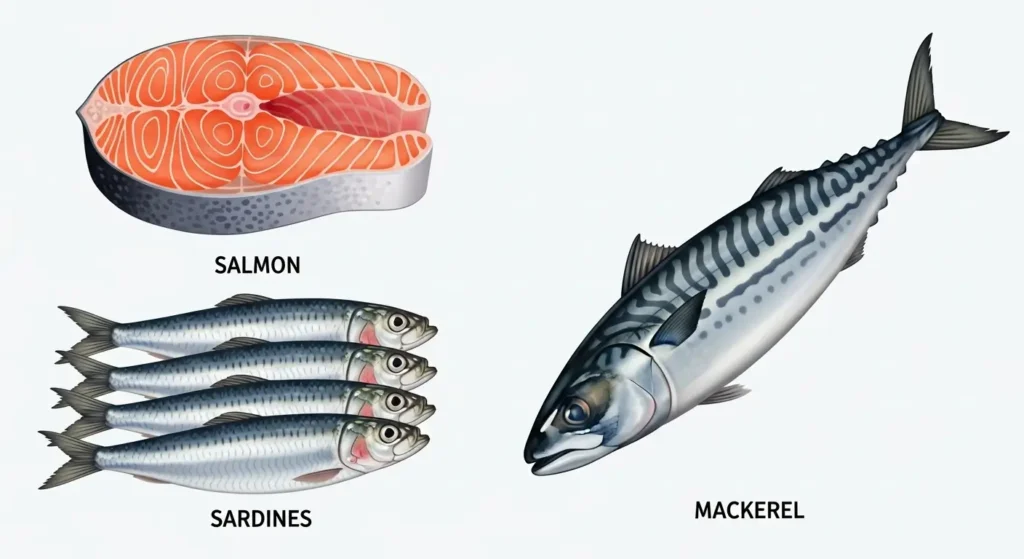
Fatty fish are the gold standard for fighting inflammation. They are packed with long-chain omega-3 fatty acids, specifically EPA and DHA, which your body converts into compounds called resolvins and protectins that actively resolve inflammation. Regular consumption has been shown to lower levels of inflammatory markers and support brain and heart health.
- Tip: Aim for two to three servings of fatty fish per week. If you don’t like fish, consider a high-quality omega-3 supplement.
2. Leafy Greens (Spinach, Kale, Swiss Chard)
Dark leafy greens are nutritional powerhouses. They are loaded with antioxidants and polyphenols, as well as vitamins like A, C, and K, which protect your cells from the oxidative stress that contributes to chronic inflammation. Their high fiber content also supports a healthy gut.
- Tip: Add a handful of spinach to your morning smoothie or use kale as a base for a nutrient-dense salad.
3. Berries (Blueberries, Strawberries, Blackberries)
Berries are small but mighty when it comes to their anti-inflammatory power. They are rich in antioxidants called anthocyanins, which give them their vibrant red and blue colors. These compounds help neutralize free radicals and have been shown to reduce the inflammatory response in the body.
- Tip: Enjoy a cup of mixed berries as a snack, add them to your yogurt or oatmeal, or blend them into a smoothie.
4. Olive Oil
Extra virgin olive oil is a cornerstone of the Mediterranean diet, one of the healthiest eating patterns in the world. It contains a powerful antioxidant called oleocanthal, which has been found to work similarly to anti-inflammatory drugs like ibuprofen. It’s also a great source of monounsaturated fats, which are excellent for heart health.
- Tip: Use extra virgin olive oil as your primary cooking oil and for salad dressings to get the most benefit.
5. Nuts and Seeds (Almonds, Walnuts, Flaxseeds, Chia Seeds)
Nuts and seeds are excellent sources of anti-inflammatory healthy fats, fiber, and magnesium—a mineral that many people are deficient in. Walnuts are particularly high in omega-3 fatty acids, while flaxseeds and chia seeds provide fiber that promotes good gut health, a key factor in managing inflammation.
- Tip: Snack on a small handful of almonds or walnuts, or sprinkle chia and flaxseeds over your cereal or salads.
6. Turmeric and Ginger
These two spices have been used for centuries in traditional medicine for their healing properties. Turmeric contains curcumin, and ginger contains gingerol—both are potent natural anti-inflammatory compounds. They work by blocking inflammatory pathways in the body.
- Tip: Add fresh ginger to teas and stir-fries, and sprinkle turmeric into soups, curries, or golden milk lattes. Always add a pinch of black pepper with turmeric to enhance its absorption.
7. Green Tea
Green tea is celebrated for its high concentration of a polyphenol called epigallocatechin-3-gallate (EGCG). EGCG is a powerful antioxidant that can reduce inflammation by protecting cells from damage and inhibiting the production of pro-inflammatory molecules in the body.
- Tip: Swap one of your daily coffees for a cup of green tea. Enjoy it hot or iced.
8. Whole Grains (Oats, Brown Rice, Quinoa)
Unlike refined grains that can spike blood sugar and promote inflammation, whole grains are rich in fiber. This fiber feeds the beneficial bacteria in your gut, which in turn produce compounds like butyrate that help lower systemic inflammation and support your immune system.
- Tip: Start your day with a bowl of oatmeal, swap white rice for quinoa or brown rice, and choose whole-wheat bread.
9. Cruciferous Vegetables (Broccoli, Cauliflower, Brussels Sprouts)
Broccoli and its cousins are rich in a compound called sulforaphane, a powerful antioxidant that fights inflammation by neutralizing harmful toxins. They are also packed with vitamins and minerals that support your body’s overall health.
- Tip: Roast broccoli or Brussels sprouts with olive oil and garlic for a delicious and anti-inflammatory side dish.
10. Tomatoes
Tomatoes are a fantastic source of lycopene, another potent antioxidant that helps quell inflammation. Interestingly, the body absorbs lycopene more easily from cooked tomatoes, so tomato sauce and soup are excellent choices.
- Tip: Drizzle cooked tomatoes with olive oil to further boost the absorption and anti-inflammatory benefits.
Foods to Limit or Avoid on an Inflammation Diet
Just as important as adding healing foods is knowing which ones to limit. These foods can promote inflammation and undermine your efforts.
- Processed meats (sausages, hot dogs)
- Refined carbohydrates (white bread, pastries, pasta)
- Sugary beverages (soda, sweetened juices)
- Excess alcohol
- Trans fats and fried foods (margarine, fast food)
Sample Anti-Inflammatory Meal Ideas
Putting an inflammation diet into practice is easier than you think. Here are some simple meal ideas to get you started.
| Meal | Example | Key Ingredients |
|---|---|---|
| Breakfast | Berry-Chia Smoothie Bowl | Blueberries, chia seeds, spinach, almond milk, oats |
| Lunch | Quinoa Power Salad | Quinoa, chickpeas, spinach, avocado, walnuts, lemon-olive oil dressing |
| Snack | Green Tea & Handful of Nuts | Unsweetened green tea, a small handful of almonds or walnuts |
| Dinner | Grilled Salmon with Roasted Broccoli | Salmon, broccoli, garlic, olive oil, turmeric, lemon |
| Dessert | Warm Turmeric-Ginger Milk | Oat milk, turmeric, ginger, a dash of honey and cinnamon |
Tips to Maintain an Anti-Inflammatory Diet
- Keep your meals colorful. Aim to “eat the rainbow” to ensure you’re getting a wide variety of antioxidants.
- Choose whole grains over their refined counterparts.
- Cook with healthy fats like olive oil or avocado oil.
- Embrace spices. Turmeric, ginger, cinnamon, and black pepper are all powerful allies.
- Stay hydrated with water and herbal teas, and prioritize getting enough sleep, as rest is crucial for managing inflammation.
FAQs About Anti-Inflammatory Foods
What are the best anti-inflammatory foods?
The best foods for inflammation are typically whole, unprocessed, and rich in antioxidants and healthy fats. Top choices include fatty fish like salmon, leafy greens, berries, nuts and seeds, olive oil, and spices like turmeric and ginger.
Can an anti-inflammatory diet help with arthritis or joint pain?
Yes, many people with arthritis find significant relief by following an inflammation diet. Foods rich in omega-3 fatty acids and antioxidants can help reduce the joint inflammation that causes pain and stiffness.
How quickly does an anti-inflammatory diet work?
The effects can vary from person to person. Some people may notice improvements in energy and digestion within a week or two, while more significant benefits, like reduced joint pain, may take several weeks or months of consistent effort.
Are all fats bad for inflammation?
No, not at all. It’s the type of fat that matters. Unhealthy trans fats and an excess of omega-6 fats from processed foods can drive inflammation. However, healthy fats like omega-3s from fish and monounsaturated fats from olive oil and avocados are strongly anti-inflammatory.
What should I avoid when eating anti-inflammatory?
On an inflammation diet, it’s best to limit or avoid sugary drinks, refined carbs like white bread and pastries, fried foods, and processed meats. These foods can increase inflammatory markers in the body.
Can anti-inflammatory foods improve skin and energy?
Absolutely. Chronic inflammation is linked to skin issues like acne and premature aging, as well as fatigue and brain fog. A healthy diet rich in anti-inflammatory foods can lead to clearer skin, higher energy levels, and better mental focus.
Conclusion
Food has incredible power. Every meal is an opportunity to either fuel the fire of inflammation or to build a stronger, more resilient body from the inside out. Shifting to an anti-inflammatory way of eating doesn’t have to be overwhelming. Start small by swapping one meal or adding one new food from this list into your day.
A calmer, more vibrant body starts from within—and your next meal could be the first step on that healing journey.
Disclaimer
The information on HealthHintz is provided for educational and informational purposes only and should not be considered medical advice. Always consult a qualified healthcare professional before making any medical or health-related decisions, starting a new treatment, or changing your existing health plan.