
How to Prevent Loose Skin When Losing Weight
You’ve worked so hard to lose weight. You’ve been eating better, moving your body, and pushing through challenges to reach your health goals. It’s an incredible achievement, and you should be proud. But as you get closer to your goal, you might start to notice something you didn’t expect: loose skin. This common concern can affect your confidence and make you wonder if all that effort will leave lasting marks you’re not happy with.
If you’re worried about sagging skin after weight loss, you are not alone. It’s a completely normal part of the process for many people. The good news is that there are many proactive steps you can take to minimize and manage it. This guide will explain why loose skin happens and share the best tips on how to prevent loose skin when losing weight, helping you look and feel your best on your journey.
Table of Contents
Why Does Loose Skin Happen After Weight Loss?
Think of your skin as an elastic material. When you gain weight, your skin stretches to make room for the increased body mass. It’s an amazing organ that adapts to your body’s changes. When you lose that weight, especially if you lose it quickly, your skin might not have enough time to shrink back to its original size.
The main proteins in your skin that give it its firmness and elasticity are collagen and elastin. Over time, and with significant stretching, these fibers can become damaged. Several factors influence whether you will experience loose skin:
- How much weight you lost: The more weight you lose, the more stretched the skin was, and the higher the chance of it becoming loose.
- How fast you lost it: Rapid weight loss doesn’t give your skin’s elastin enough time to gradually adapt and shrink.
- Your age: As we age, our skin naturally produces less collagen, making it less elastic and less likely to bounce back.
- Genetics: Your genes play a significant role in your skin’s elasticity and how it responds to changes.
- Nutrition and hydration: A lack of key nutrients and water can impair your skin’s health and resilience.
- Sun exposure: Years of sun damage can break down collagen and elastin, reducing skin elasticity.
How Different Factors Affect Your Skin
| Factor | Effect on Skin |
|---|---|
| Rapid Weight Loss | Higher chance of loose skin because the skin can’t keep up. |
| Slow, Steady Weight Loss | Allows the skin time to adapt and gradually shrink. |
| Age | Older skin has less collagen and is naturally less elastic. |
| Hydration & Nutrition | Good nutrition and plenty of water improve skin elasticity and health. |
Your skin is like an elastic band—it can bounce back, but only if it hasn’t been stretched too far, too fast, or for too long.
How to Prevent Loose Skin While Losing Weight
The best strategy is to think about your skin’s health from the very beginning of your weight loss journey. Here are realistic, science-backed tips on how to prevent loose skin when losing weight.
Lose Weight Gradually
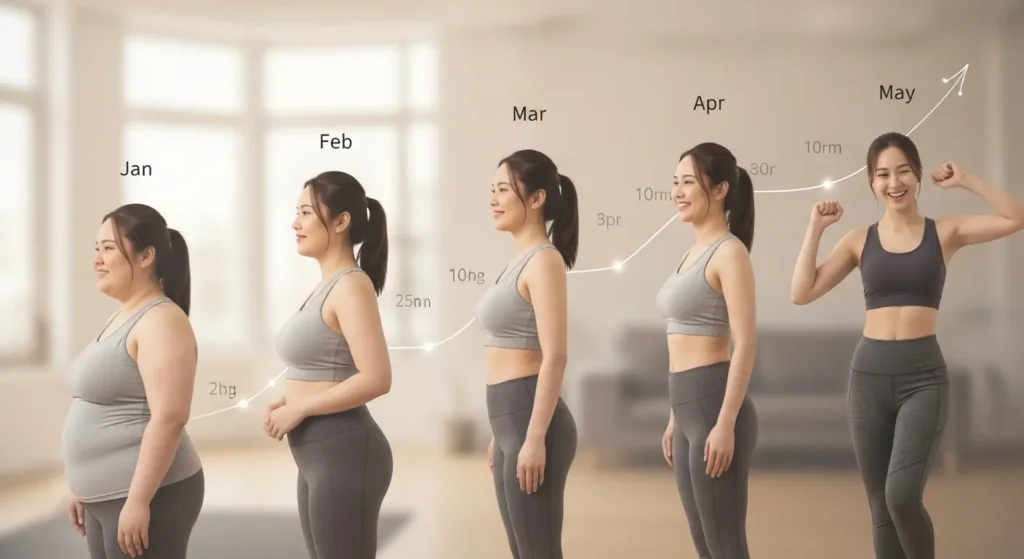
This is the most important tip of all. Slow and steady truly wins the race when it comes to preserving skin elasticity.
- Aim for 1–2 pounds per week. This rate of weight loss is considered safe and sustainable. It gives your skin the best chance to adapt and retract as you lose fat.
- Avoid crash diets. Very low-calorie diets can cause you to lose muscle along with fat, which can contribute to a “hollowed out” look under the skin. They also often lack the nutrients your skin needs to stay healthy.
Stay Hydrated
Well-hydrated skin is more elastic, plump, and resilient. Dehydration, on the other hand, can make your skin look dull and less firm.
- Drink plenty of water. Aim for 8–10 glasses of water per day, or more if you are active.
- Eat your water. Many fruits and vegetables have high water content and can contribute to your hydration. Excellent choices include watermelon, cucumber, oranges, and strawberries.
- Consider herbal teas. Unsweetened herbal teas are another great way to stay hydrated.
Eat Foods That Support Skin Elasticity
Your skin is built from the inside out. Providing your body with the right nutrients can help maintain and rebuild its structure.
| Nutrient | Food Source | Benefit |
|---|---|---|
| Collagen | Bone broth, chicken skin, fish with skin on. | Provides the direct building blocks for your skin’s structure. |
| Vitamin C | Citrus fruits, berries, kiwi, bell peppers, broccoli. | A powerful antioxidant that is essential for your body to produce its own collagen. |
| Zinc | Pumpkin seeds, lentils, chickpeas, nuts. | Plays a vital role in wound healing and tissue repair. |
| Protein | Eggs, fish, tofu, lean meats, beans. | Provides the amino acids needed to build both collagen and elastin, keeping skin firm. |
| Healthy Fats | Avocado, olive oil, nuts, seeds. | Help keep your skin moisturized, supple, and strong. |
A nutrient-rich diet helps your skin stay firm and healthy from the inside out. Don’t just focus on cutting calories; focus on adding nourishment.
Build Muscle with Strength Training
When you lose weight, you lose both fat and, sometimes, muscle. Building lean muscle helps to “fill in” the space under your skin, creating a firmer, more toned appearance.
- Incorporate resistance workouts. This doesn’t mean you have to become a bodybuilder. Using your own body weight, resistance bands, or dumbbells can be very effective.
- Focus on compound exercises. These work multiple muscle groups at once. Great examples include:
- Squats and lunges (for legs and glutes)
- Push-ups and planks (for arms, chest, and core)
- Deadlifts and rows (for back and overall tone)
- Aim for consistency. Try to include strength training in your routine 3–4 times per week.
Moisturize and Care for Your Skin
While topical treatments can’t perform miracles, they can certainly help improve your skin’s appearance and feel.
- Use firming moisturizers. Look for creams that contain ingredients known to support skin health, such as collagen, vitamin E, hyaluronic acid, or retinoids. These can help improve hydration and firmness.
- Exfoliate regularly. Using a gentle scrub or a dry brush can help remove dead skin cells and may stimulate blood flow to the skin, which can encourage cell turnover and collagen production.
- Avoid very hot showers. Hot water can strip your skin of its natural oils, leading to dryness and reduced elasticity. Opt for lukewarm showers instead.
Stay Consistent and Patient
Your skin took time to stretch, and it will take time to tighten. Be patient with your body. It can take several months, or even a year or two, after you’ve reached your goal weight for your skin to finish adapting. Celebrate your progress along the way and focus on non-scale victories, like feeling stronger, having more energy, or noticing your skin glowing from your healthy habits.
Natural Ways to Tighten Loose Skin After Weight Loss
If you’ve already lost the weight and are dealing with loose skin, don’t lose hope. Here are some natural methods that can help improve skin firmness over time.
Massage and Skin Brushing
Regular massage or dry brushing can stimulate blood flow to the skin’s surface. This increased circulation delivers more oxygen and nutrients to your skin cells, which may help promote collagen production and improve skin tone over time.
Collagen Supplements or Protein Powders
Some studies suggest that taking a collagen supplement can improve skin hydration and elasticity. Collagen peptides are easily absorbed by the body and can provide the building blocks your skin needs. Similarly, ensuring you get enough protein through your diet or a protein powder supports muscle maintenance and skin repair.
Stay Active and Stretch
Activities like yoga and Pilates are fantastic for building long, lean muscles and improving overall body tone. The stretching involved can also help with flexibility and circulation, contributing to healthier-looking skin.
Consider Professional Treatments (If Needed)
For those who have lost a significant amount of weight (100 pounds or more), loose skin may be more than a cosmetic concern; it can cause rashes and discomfort. In these cases, natural methods may not be enough. If loose skin is significantly affecting your quality of life, you might consider talking to a dermatologist or plastic surgeon about professional treatments. These are optional medical procedures and are not required for everyone.
- Laser Therapy: Can stimulate collagen production and help tighten skin.
- Radiofrequency Treatments: Use energy to heat the skin’s deeper layers, promoting collagen remodeling.
- Body-Contouring Surgery: Procedures like a tummy tuck or body lift surgically remove excess skin. This is typically considered a last resort for major weight loss cases.
Common Myths About Loose Skin
Let’s debunk a few common myths.
- Myth: “Loose skin means you lost weight the wrong way.”
- Fact: False. While rapid weight loss can contribute to it, loose skin is primarily determined by your age, genetics, and how long you carried the extra weight. It doesn’t mean you failed.
- Myth: “Creams can completely fix sagging skin.”
- Fact: False. Firming creams can help improve the texture and superficial firmness of your skin, but they cannot fix significant sagging. Think of them as a supportive tool, not a magic cure.
- Myth: “You have to get surgery to fix loose skin.”
- Fact: Not always. For many people with mild to moderate loose skin, a combination of time, strength training, and good nutrition can lead to significant improvements. Surgery is usually reserved for more extreme cases.
Conclusion
Losing weight is a remarkable journey of dedication and self-improvement. Loose skin doesn’t erase your hard work—it’s a testament to how far you’ve come. It’s a sign of the positive changes you’ve made for your health.
While you can’t control every factor, you can take powerful steps to support your skin’s health and resilience. With the right care, patience, and a focus on healthy habits like gradual weight loss, proper nutrition, and strength training, your skin can regain firmness, and your confidence can shine from the inside out. Be proud of your journey and be kind to the body that has carried you through it.
FAQs: Preventing Loose Skin While Losing Weight
Can I prevent loose skin completely while losing weight?
It’s not always possible to prevent it completely, especially if you lose a large amount of weight. However, by following key strategies—like losing weight gradually, staying hydrated, eating a nutritious diet, and building muscle—you can significantly reduce the amount of loose skin you experience.
What’s the best exercise to tighten loose skin?
No exercise can instantly tighten skin, but strength training is the most effective approach. Building lean muscle underneath the skin helps create a firmer, more toned foundation, improving the overall appearance of looseness.
Does age make a difference in skin tightening?
Yes, age plays a major role. Younger skin produces more collagen and has better elasticity, so it tends to bounce back more easily after weight loss than older skin.
How long does it take for skin to tighten after weight loss?
This varies greatly depending on factors like the amount of weight lost, age, and lifestyle habits. It can take anywhere from a few months to over a year for your skin to reach its maximum retraction. Patience and consistency are key.
Are there natural remedies that can help with loose skin?
Yes. The most effective natural methods work from the inside out—staying well-hydrated, eating a protein-rich diet with plenty of vitamins and minerals, and strength training to build muscle. External methods like massage, dry brushing, and moisturizing can also help support skin elasticity.
Disclaimer
The information on HealthHintz is provided for educational and informational purposes only and should not be considered medical advice. Always consult a qualified healthcare professional before making any medical or health-related decisions, starting a new treatment, or changing your existing health plan.