How Sleep Prevents Disease and Slows Aging
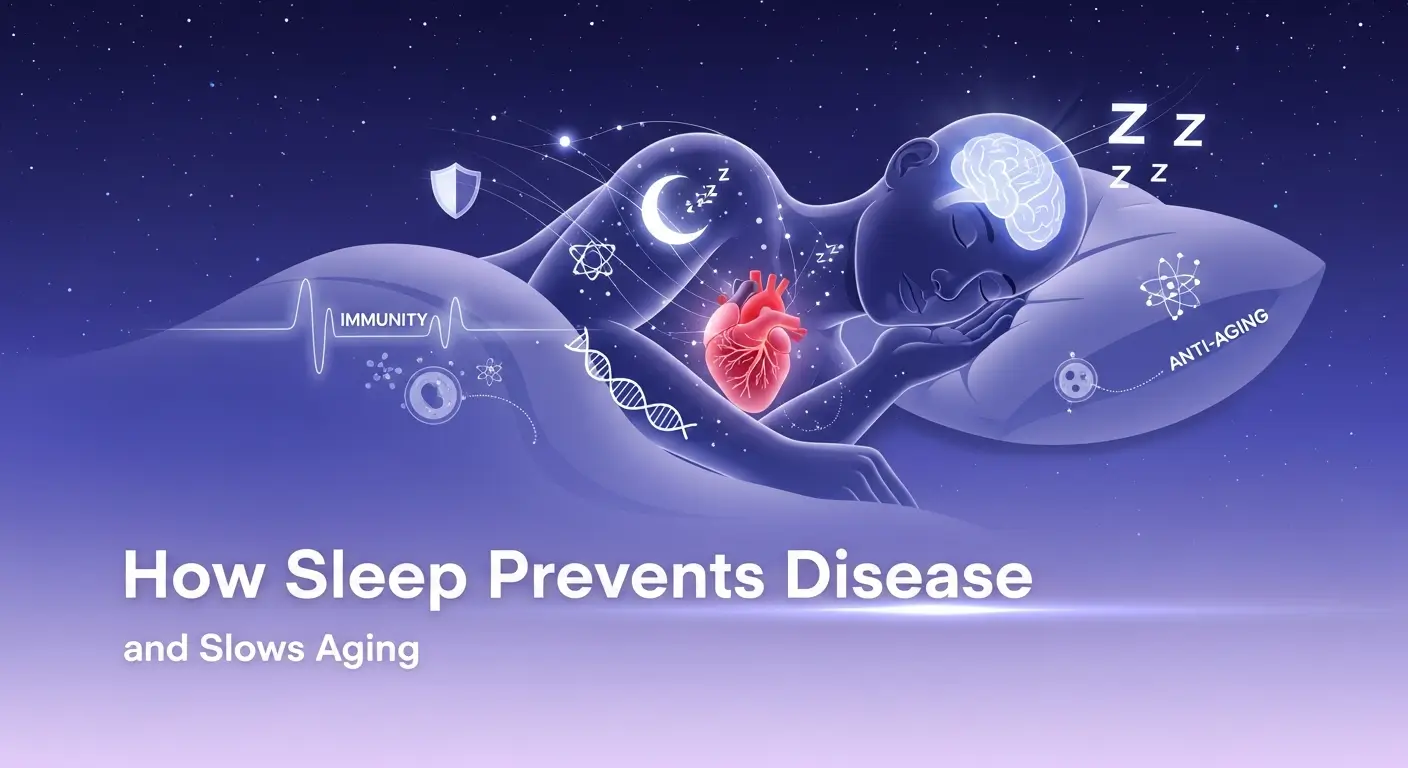
Sleep is often the first thing we sacrifice when life gets busy. Late-night work, scrolling on the phone, or trying to “do it all” can make sleep feel optional. But missing sleep does more than make you tired. It quietly affects your hormones, your immune system, your heart, and even how fast your body and brain age over time.
Good sleep is one of the most powerful tools for long-term health. It helps prevent disease, slows down many signs of aging, and keeps your mind and body strong. This article explains how sleep protects you from illness, supports healthy aging, and how you can build better sleep habits starting today.
Table of Contents
Why Sleep Is So Important for the Body
Sleep is not “doing nothing.” While you sleep, your body is busy repairing, cleaning, and resetting systems that keep you alive and healthy.
During sleep:
- The brain processes memories and clears out waste products.
- Cells repair damage from stress, UV light, and daily wear and tear.
- Hormones that control hunger, growth, stress, and blood sugar are balanced.
- The immune system builds and activates infection-fighting cells.
- The heart and blood vessels get a chance to rest and recover.
Without enough quality sleep, these systems cannot work properly. Over time, that increases the risk of many chronic diseases.
How Sleep Prevents Disease
Sleep and Immune System Health
Your immune system is your body’s defense army. Sleep is when that army trains, rebuilds, and prepares for the next day.
- During deep sleep, your body makes and releases more immune cells, like T cells and natural killer cells, that help fight viruses and bacteria.
- When you are sleep-deprived, these cells are less active, and your body is slower to respond to infections.
- People who regularly sleep too little are more likely to catch colds and take longer to recover from illnesses.
In simple words: sleep strengthens your defenses. Quality sleep helps your body fight off germs before they turn into serious disease.
Sleep and Heart Disease Prevention
Your heart works all day, every day. Sleep gives it time to rest and reset.
Sleep helps your heart by:
- Regulating blood pressure: At night, blood pressure normally drops, giving your heart and blood vessels a break. Chronic lack of sleep can keep blood pressure higher over 24 hours.
- Reducing inflammation: Poor sleep is linked with higher levels of inflammation in the body. Chronic inflammation can damage arteries and increase the risk of heart attacks and strokes.
- Balancing stress hormones: Too little sleep raises stress hormones like cortisol, which can strain the heart over time.
People who regularly sleep less than 6–7 hours a night have a higher risk of high blood pressure, heart disease, and stroke compared to those who sleep enough.
Sleep and Diabetes Risk
Sleep and blood sugar are closely connected.
- When you do not sleep enough, your body becomes less sensitive to insulin, the hormone that helps move sugar from the blood into your cells.
- Over time, poor sleep can lead to higher blood sugar levels and increase the risk of type 2 diabetes.
- Short sleep can also increase hunger hormones and cravings for sugary, high-calorie foods, which adds to the problem.
Healthy sleep supports stable blood sugar and helps protect against insulin resistance and diabetes.
Sleep and Brain Health
Your brain also depends on sleep to stay sharp and healthy.
- While you sleep, especially in deep and REM sleep, the brain clears out waste products and toxins through a special “cleaning system.”
- Sleep helps store new memories and supports learning and decision-making.
- Long-term sleep problems are linked with higher risk of memory loss, mood disorders, and neurodegenerative diseases such as Alzheimer’s disease.
Good sleep acts like a nightly “brain wash,” helping your mind stay clear, focused, and protected as you age.
How Sleep Slows Aging
Aging is natural, but poor sleep can make the process faster and more visible — both on the outside and inside the body.
Sleep and Skin Repair
Your skin works hard every day, protecting you from sun, pollution, and irritation. Sleep is when much of the repair happens.
- During deep sleep, your body produces more growth hormone, which supports tissue repair and collagen production.
- Collagen keeps skin firm, smooth, and elastic. Poor sleep can reduce collagen, leading to more wrinkles, fine lines, and dull skin.
- Lack of sleep can also cause dark circles, puffiness, and a “tired” look.
Getting enough rest helps your skin recover and keeps it looking healthier and more youthful.
Sleep and Hormone Balance
Hormones are chemical messengers that control growth, appetite, stress, and more. Sleep is essential to keep them in balance.
- Growth hormone: Released mostly during deep sleep. It helps repair tissues, build muscle, and maintain healthy body composition.
- Cortisol (stress hormone): Should be lower at night and higher in the morning. Poor sleep can disrupt this rhythm, keeping cortisol high, which speeds up aging and increases belly fat.
- Hunger hormones (leptin and ghrelin): Out-of-balance sleep can make you feel hungrier and less satisfied after eating.
Balanced hormones from good sleep help maintain a healthy weight, steady mood, and slower aging over time.
Sleep and Cellular Repair
Inside your body, cells are constantly damaged by stress, toxins, and normal processes. Sleep is when many repair and clean-up activities take place.
- Sleep supports DNA repair in cells, fixing small damage before it becomes a bigger problem.
- It also helps reduce oxidative stress, which can damage cells and speed up aging.
- Over time, good sleep helps protect tissues and organs from wear and tear.
This cellular repair is one reason people who sleep well tend to have better overall health and longevity.
What Happens When You Don’t Get Enough Sleep
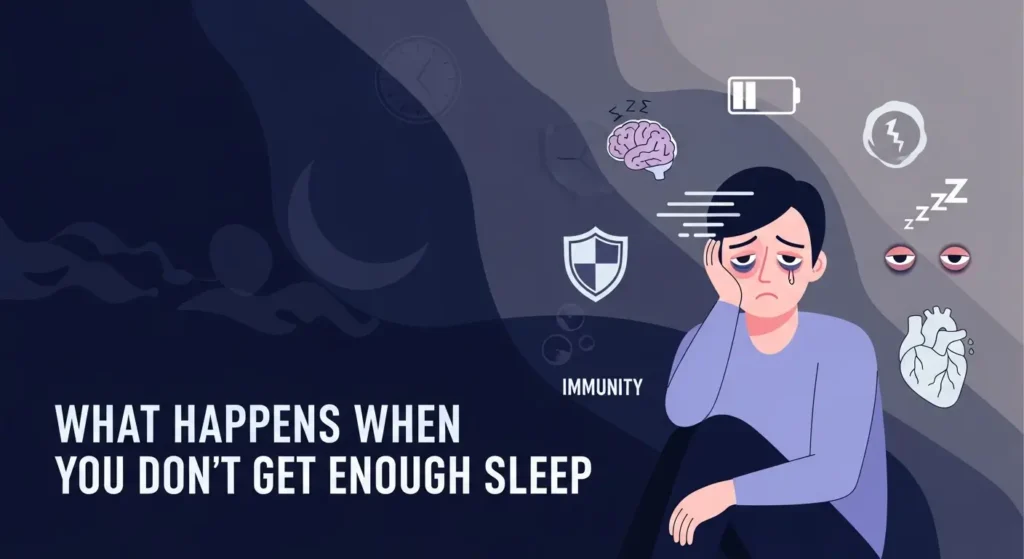
Missing a night or two of sleep happens to everyone. But when short sleep becomes a pattern, it can seriously affect your health.
Common symptoms of not getting enough sleep include:
- Weakened immunity and frequent colds
- Faster aging signs, like wrinkles and dull skin
- Weight gain and stronger cravings for junk food
- Brain fog, slower thinking, and poor focus
- Mood changes, irritability, anxiety, or low mood
- Higher risk of conditions like high blood pressure, diabetes, and heart disease
Long-term sleep loss is not just about feeling tired — it puts strain on nearly every system in your body.
How Much Sleep Do You Really Need?
Sleep needs change with age, but most people do best with a regular amount of quality sleep each night.
| Age Group | Recommended Sleep |
|---|---|
| Children | 9–12 hours per night |
| Teens | 8–10 hours per night |
| Adults | 7–9 hours per night |
| Seniors | 7–8 hours per night |
Some people feel fine at the lower end of the range, while others need a bit more. The key is how you feel: if you are sleepy during the day, need a lot of caffeine, or feel foggy, you may not be getting enough sleep or enough deep, quality rest.
Foods and Habits That Improve Sleep
What you eat and drink — and when — can have a big impact on how well you sleep.
Sleep-Friendly Foods
These foods can support calmer evenings and better sleep:
- Whole grains: Oats, brown rice, and whole-grain bread help keep blood sugar stable.
- Magnesium-rich foods: Nuts, seeds, leafy greens, and beans support muscle relaxation and calmness.
- Herbal teas: Chamomile, peppermint, or lemon balm tea can be soothing before bed (avoid strong black or green tea late at night).
- Lean protein: Chicken, fish, eggs, yogurt, and tofu help keep you full and support overnight repair without feeling too heavy.
Try to eat your larger meals earlier in the day and keep dinner lighter and balanced.
Sleep-Stealing Habits to Avoid
Some habits make it much harder to fall or stay asleep:
- Late caffeine: Coffee, energy drinks, and even strong tea in the afternoon or evening can keep your brain alert for hours.
- Heavy meals at night: Large, fatty, or spicy dinners close to bedtime can cause discomfort or heartburn.
- Screen use at night: Phones, tablets, and TVs give off blue light that tricks your brain into staying awake.
- Alcohol before bed: Alcohol may make you drowsy, but it disrupts deep sleep and can cause you to wake up more often.
If sleep is a struggle, start by gently cutting back on these habits in the hours before bed.
Simple Habits to Improve Sleep Quality
Small changes can make a big difference in how rested you feel.
- Set a consistent bedtime.
Go to bed and wake up at the same time every day, even on weekends. This helps train your body’s internal clock. - Create a calming sleep routine.
Spend 20–30 minutes winding down: read, stretch, journal, or listen to soft music. Avoid stressful conversations or work tasks at this time. - Keep your room dark and cool.
A quiet, dark, and slightly cool room (around 18–20°C / 64–68°F) is ideal for sleep. - Limit phone use before bed.
Try to turn off screens at least 30–60 minutes before sleep. If needed, use night mode or blue-light filters. - Get natural sunlight during the day.
Light in the morning helps reset your internal clock and can improve sleep quality at night. - Move your body regularly.
Daily physical activity, even a simple walk, can help you fall asleep faster and sleep more deeply. - Watch late-night worries.
If your mind races at night, keep a notepad by the bed. Jot down thoughts or to-dos and remind yourself you’ll handle them tomorrow.
Conclusion
Sleep is not wasted time. It is one of the most powerful tools your body has to stay healthy, strong, and youthful. Quality sleep helps your immune system fight off illness, protects your heart, stabilizes blood sugar, clears your brain, and supports skin and cell repair.
The idea that “sleep prevents disease” is more than a slogan — it reflects how deeply rest is tied to every part of your health. You don’t need perfection to see benefits. Even small improvements in your sleep habits can lead to more energy, better mood, and lower disease risk over time.
Better sleep is not a luxury — it is a foundation for a longer, healthier life.
FAQ
Can lack of sleep cause illness?
Lack of sleep does not usually cause a specific illness by itself, but it weakens the immune system, increases inflammation, and raises the risk of many conditions, including infections, heart disease, and diabetes. Over time, poor sleep makes the body more vulnerable.
Does sleep really slow aging?
Yes. Quality sleep supports collagen production, hormone balance, brain function, and cellular repair. These processes help slow both visible and internal signs of aging. People who sleep well often have healthier skin, stronger immunity, and better heart health as they age.
How many hours of sleep prevent disease?
There is no exact number for everyone, but most adults benefit from 7–9 hours of high-quality sleep per night. This range is consistently linked to lower risk of heart disease, obesity, diabetes, and depression. Sleep consistency is just as important as duration.
Can naps replace night sleep?
Short naps of 15–30 minutes can improve alertness and mood, but they do not replace the deep, structured sleep cycles that occur at night. Relying on naps instead of nighttime sleep is not ideal for long-term health.
What happens if you sleep less than 6 hours?
Regularly sleeping fewer than 6 hours per night is linked to higher risk of high blood pressure, weight gain, diabetes, weakened immunity, and mood problems. While you may adapt temporarily, long-term health consequences can develop.
How can I improve sleep naturally?
You can improve sleep naturally by keeping a regular sleep schedule, limiting caffeine and screen use in the evening, creating a relaxing bedtime routine, staying physically active during the day, eating balanced meals, and managing stress with breathing or relaxation techniques. If sleep problems persist, consult a healthcare professional.
Disclaimer
The information on HealthHintz is provided for educational and informational purposes only and should not be considered medical advice. Always consult a qualified healthcare professional before making any medical or health-related decisions, starting a new treatment, or changing your existing health plan.